Finding Your Ikigai After Loss: A Guide to Purpose After Transition
Discover how to find your Ikigai after major life transitions. Learn practical steps, explore new passions, and embrace a fulfilling future.
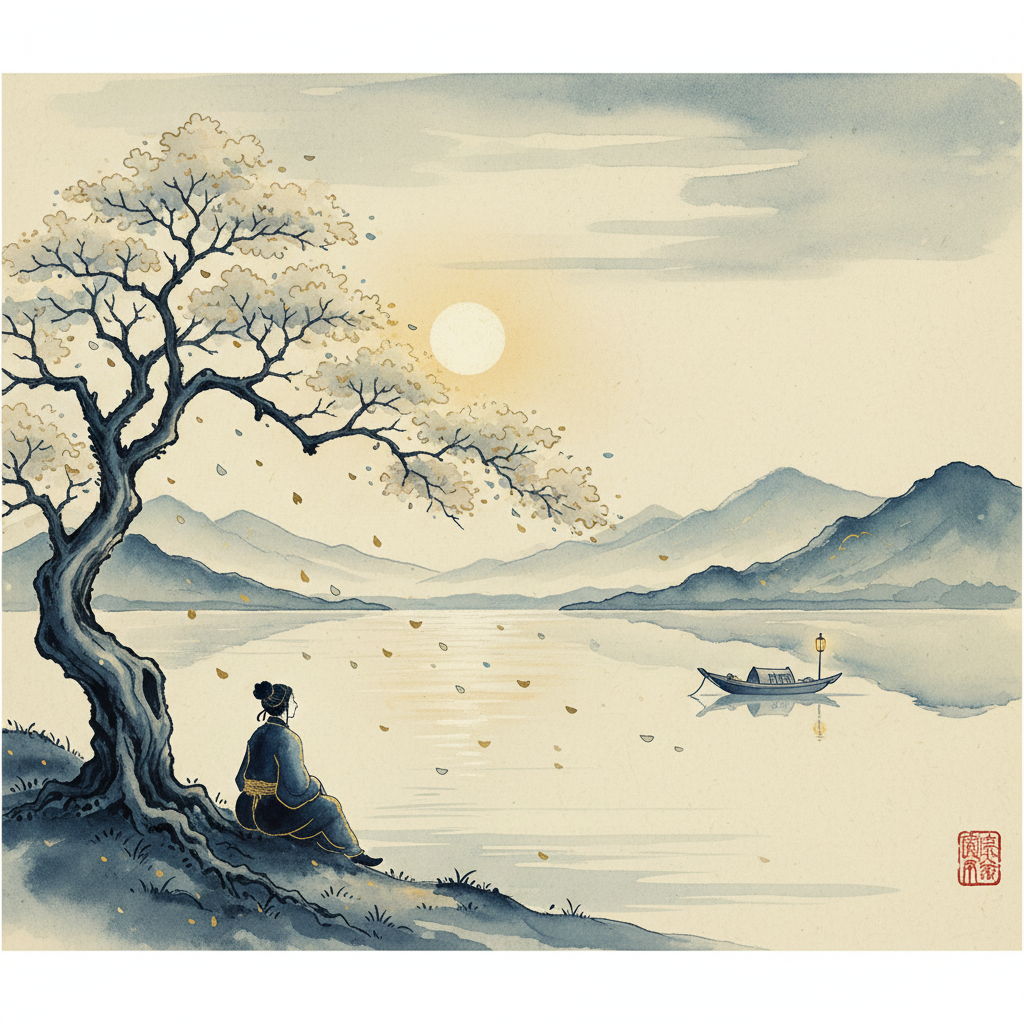
Losing a job, experiencing a divorce, or facing retirement can leave you feeling adrift, questioning your purpose. Finding your Ikigai – your reason for being – offers a powerful path forward, helping you rebuild a life filled with meaning and joy after significant transitions.
Understanding Ikigai and Life Transitions
Ikigai, often translated as "a reason for being," is a Japanese concept that encompasses finding joy and purpose in life. It’s the intersection of what you love, what you're good at, what the world needs, and what you can be paid for. Major life transitions can disrupt this balance, leaving you feeling lost and uncertain about your future direction. But these transitions can also be opportunities for profound growth and rediscovery.
Ikigai is not a destination, but a journey of self-discovery.
The Ikigai Diagram
The Ikigai diagram is a visual representation of this philosophy. It consists of four overlapping circles:
- ●What you love (Passion): What activities make you lose track of time?
- ●What you are good at (Profession): What are your natural talents and skills?
- ●What the world needs (Mission): How can you contribute to something larger than yourself?
- ●What you can be paid for (Vocation): What skills or services are valuable in the marketplace?
Your Ikigai lies at the intersection of all four circles. When a major life event occurs, one or more of these circles may be affected, leading to a sense of imbalance. For example, retirement might impact the "vocation" circle, while a health crisis could affect both "passion" and "profession."
Why Ikigai Matters During Change
Ikigai provides a framework for navigating change by encouraging you to reassess your values, skills, and passions. It helps you identify new opportunities and create a life that is both meaningful and fulfilling, even after a significant loss or transition. A study published in the journal Social Science & Medicine found that having a strong sense of Ikigai is associated with increased longevity and a greater sense of well-being.
A strong sense of Ikigai can increase longevity and well-being.
Re-evaluating Your Ikigai After a Loss
When facing a significant life change, it's crucial to take time to re-evaluate each component of your Ikigai. This involves honest self-reflection and a willingness to explore new possibilities.
1. Rediscovering Your Passions
What activities truly bring you joy? What makes you feel alive and engaged? Often, our passions get buried beneath the responsibilities of daily life. Use this transition as an opportunity to reconnect with old hobbies or explore new interests.
- ●Reflect on your childhood: What did you love to do as a child? Sometimes, our earliest passions hold clues to our true Ikigai.
- ●Experiment with new activities: Take a class, join a club, or volunteer for a cause that interests you. Don't be afraid to try something completely new.
- ●Pay attention to your energy levels: Notice which activities energize you and which drain you. Focus on the activities that leave you feeling refreshed and inspired.
For example, if you always loved painting but never had the time, consider taking an art class. Or, if you enjoy helping others, explore volunteer opportunities at a local charity.
2. Identifying Your Strengths
What are you naturally good at? What skills do you possess that others admire? Identifying your strengths is essential for finding work that you enjoy and excel at.
- ●Ask for feedback: Ask friends, family, and former colleagues what they see as your strengths. Their perspectives can offer valuable insights.
- ●Reflect on past successes: Think about times when you felt successful and accomplished. What skills did you use to achieve those results?
- ●Take a skills assessment: Online tools and career assessments can help you identify your strengths and interests.
Perhaps you're a great communicator, a problem-solver, or a natural leader. Understanding your strengths will help you find new ways to contribute and make a difference.
3. Considering What the World Needs
How can you use your skills and passions to make a positive impact on the world? What problems do you want to help solve? Connecting with a cause that resonates with you can provide a deep sense of purpose.
- ●Identify your values: What issues are important to you? What kind of world do you want to create?
- ●Research local needs: What are the challenges facing your community? Are there opportunities to volunteer or support local organizations?
- ●Think globally: What are the major issues facing the world? Are there ways you can contribute to addressing those challenges?
For example, if you're passionate about environmental conservation, you might volunteer at a local park or donate to an environmental organization. Or, if you're concerned about social justice, you might advocate for policy changes or support organizations that promote equality.
4. Exploring New Vocation Possibilities
How can you use your skills, passions, and values to create a new source of income or fulfillment? This doesn't necessarily mean finding a traditional job. It could involve starting a business, freelancing, consulting, or pursuing a passion project.
- ●Research market trends: What skills are in demand? What problems are people willing to pay to have solved?
- ●Network with others: Talk to people in different industries and learn about their experiences.
- ●Consider alternative income streams: Explore options like online courses, e-books, or affiliate marketing.
For instance, if you're skilled at writing and passionate about travel, you might start a travel blog or offer freelance writing services to travel companies. The gig economy offers numerous opportunities to monetize your skills and passions.
Practical Steps to Rebuild Your Ikigai
Rebuilding your Ikigai after a major life transition is a process that takes time and effort. Here are some practical steps to guide you:
- ●Acknowledge and process your emotions: Allow yourself to grieve the loss and acknowledge the challenges you're facing. Suppressing your emotions will only prolong the healing process.
- ●Practice self-care: Prioritize your physical and mental health. Eat nutritious foods, exercise regularly, get enough sleep, and engage in activities that help you relax and de-stress.
- ●Set realistic goals: Don't try to do too much too soon. Break down your goals into smaller, manageable steps. Celebrate your progress along the way.
- ●Connect with others: Surround yourself with supportive friends, family, or mentors. Share your experiences and seek guidance when needed. Loneliness can exacerbate feelings of loss and uncertainty.
- ●Embrace lifelong learning: Continue to learn and grow. Take classes, attend workshops, read books, and explore new ideas. Lifelong learning can help you stay engaged, adaptable, and resilient.
- ●Practice gratitude: Focus on the positive aspects of your life. Keep a gratitude journal and reflect on the things you're thankful for each day. Gratitude can shift your perspective and help you appreciate the present moment.
- ●Be patient and persistent: Rebuilding your Ikigai takes time. Don't get discouraged if you experience setbacks. Keep moving forward, and trust that you will find your way.
Focus on the positive aspects of your life by keeping a gratitude journal.
Examples of Finding Ikigai After Transitions
- ●Retirement: A retired teacher might find Ikigai by volunteering at a local library, tutoring children, or writing a book about their teaching experiences.
- ●Job Loss: Someone who lost their job might find Ikigai by starting their own business, freelancing, or pursuing a new career path that aligns with their passions.
- ●Divorce: A divorced individual might find Ikigai by focusing on self-care, building new relationships, and pursuing hobbies they've always wanted to try.
In Okinawa, Japan, one of the world's Blue Zones (regions where people live exceptionally long and healthy lives), Ikigai is deeply ingrained in the culture. Okinawans often maintain an active and purposeful life well into their 80s and 90s, contributing to their community and pursuing their passions. This sense of purpose is believed to be a key factor in their longevity.
Okinawans maintain an active and purposeful life, contributing to their longevity.
Resources for Finding Your Ikigai
- ●Books: "Ikigai: The Japanese Secret to a Long and Happy Life" by Héctor García and Francesc Miralles
- ●Online Courses: Platforms like Coursera and Udemy offer courses on finding purpose and meaning in life.
- ●Coaching: A life coach or career counselor can provide personalized guidance and support.
- ●Workshops: Attend workshops or seminars on Ikigai and personal development.
Embrace change as an opportunity to redefine your Ikigai and create a more fulfilling life.
Don't let life transitions define you. Instead, use them as a catalyst for growth, self-discovery, and a renewed sense of purpose. By embracing the principles of Ikigai, you can navigate change with resilience and create a life that is both meaningful and joyful.
Frequently Asked Questions
What if I don't know what my passions are?
Start by experimenting with different activities. Try new hobbies, take classes, or volunteer for causes that interest you. Pay attention to what makes you feel energized and engaged. Keep exploring until you find something that sparks your passion.
How long does it take to find your Ikigai?
There's no set timeline. Finding your Ikigai is a lifelong journey of self-discovery. Be patient with yourself and enjoy the process of exploration and growth. It may take weeks, months, or even years to fully uncover your purpose.
Can your Ikigai change over time?
Yes, absolutely. As you grow and evolve, your values, interests, and skills may change. Your Ikigai is not fixed; it's a dynamic concept that can adapt to your changing circumstances. Embrace these changes and allow your Ikigai to evolve with you.
What if I can't find a way to make money from my Ikigai?
While earning a living from your Ikigai is ideal, it's not always possible. Focus on finding ways to incorporate your Ikigai into your life, even if it's not your primary source of income. You can pursue your passions as a hobby, volunteer, or side project. The key is to find ways to bring joy and purpose into your daily life.
Is Ikigai only for people who are retired or unemployed?
No, Ikigai is relevant for people of all ages and stages of life. Whether you're a student, a working professional, or a retiree, Ikigai can help you find greater meaning and fulfillment in your daily activities. It's about living a life that is aligned with your values and passions, regardless of your current circumstances.
Join Our Community
Connect with thousands of purpose-seekers on their Ikigai journey. Get exclusive insights, weekly prompts, and support from like-minded individuals.
Written by V.S.
Founder of FindYourIkigai.co. I help people discover their reason for being through the ancient Japanese philosophy of Ikigai, blended with modern psychology and practical wisdom.
Learn more about me →Continue Reading
Ikigai in Action: How a Community Garden Cultivated Purpose
Discover how a community garden became a source of ikigai for its members. Learn how shared purpose, connection, and contribution can unlock your own reason for being.
Why You Haven't Found Your Ikigai Yet (And What to Do About It)
Discover your "reason for being" with this guide on finding your Ikigai - the sweet spot where your passions, talents, the world's needs, and financial viability intersect. Unlock a more purposeful, fulfilling life.
What Is Ikigai? The Japanese Secret to a Purposeful Life
Discover the Japanese concept of ikigai - the intersection of what you love, what you're good at, what the world needs, and what you can get paid for. Learn how embracing ikigai can help you find meaning, direction, and fulfillment in your life.