Finding Your Fire: How Experimentation Ignited My Ikigai
Struggling to find your passion? Discover how experimentation, embracing new experiences, and stepping outside your comfort zone can unlock your Ikigai and lead to a more fulfilling life.
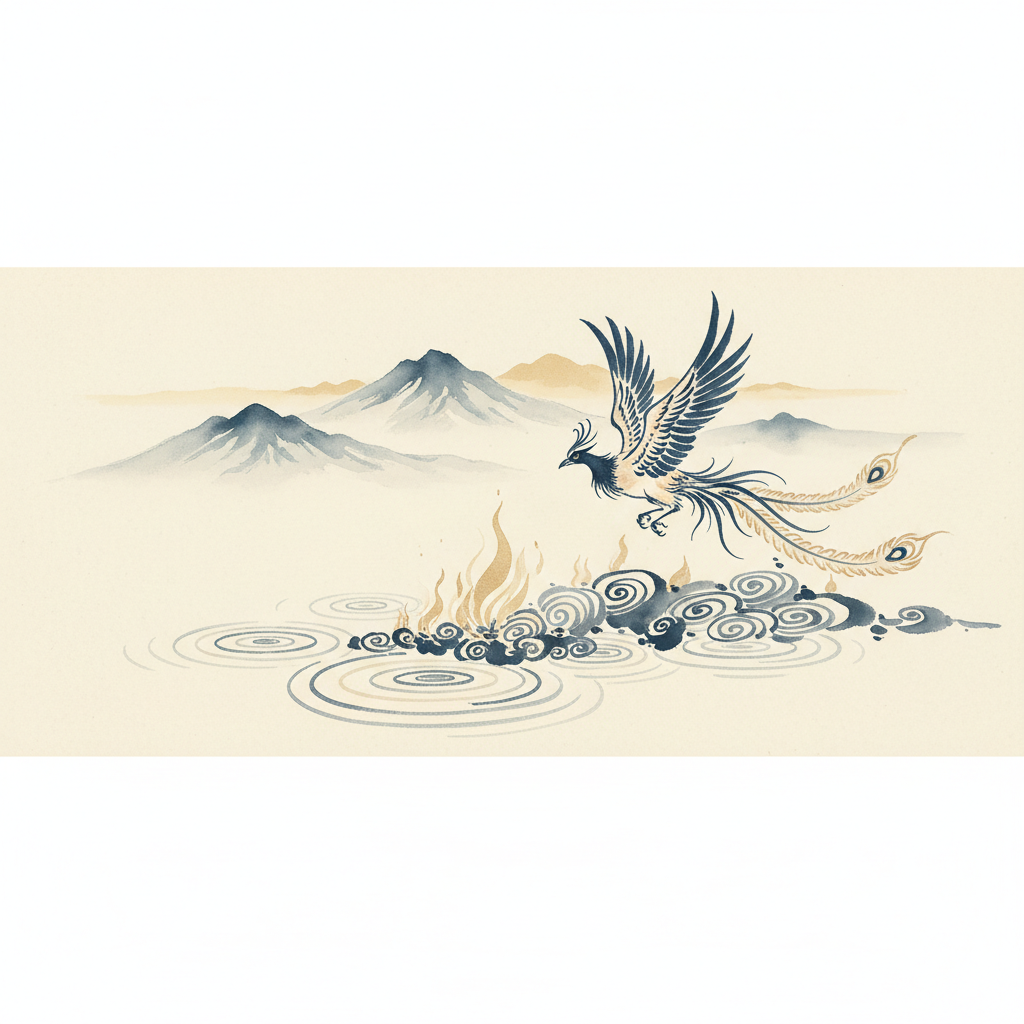
Have you ever felt that nagging sense that something's missing? I did, for years. I bounced between jobs, hobbies, and even cities, searching for that elusive spark, that thing that would make me leap out of bed each morning. The answer, I discovered, wasn't in some grand revelation, but in the simple act of experimentation. Finding what you love is a journey of trying new things and seeing what ignites your soul.
My Lost-in-the-Woods Phase
For a long time, I thought finding my Ikigai – that beautiful Japanese concept of a reason for being – was about discovering a pre-existing talent or passion. I waited for it to hit me like a lightning bolt. I thought that if I am good at something it must be my passion.
I’d spend hours online, taking quizzes like “What Should Your Dream Job Be?” The results were always vague and unsatisfying: “Writer,” “Artist,” “Entrepreneur.” Helpful, right? It felt like wandering through a dense forest with a broken compass. I was going through the motions, but I wasn’t getting anywhere.
I followed the path that I thought that I should be on. I got a stable job in an office, and tried to settle down, but it wasn’t me. I had to make a change.
The Trap of Expectation
One of the biggest obstacles to finding your Ikigai is the pressure to conform to societal expectations.
We're often told what we should value: financial security, prestige, a certain career path. These external pressures can drown out our own internal whispers, the quiet nudges towards what truly excites us. "You should be a doctor!" "Why don't you go into finance?" I heard it all.
I tried to ignore my creative urges, telling myself that “real” jobs were more important. But the more I suppressed them, the louder they became. I was miserable. I felt like I was betraying myself.
The Quarter-Life Crisis
This internal conflict culminated in what some might call a quarter-life crisis. I was in my late twenties, seemingly successful on paper, but utterly unfulfilled. I realized I was living someone else’s life, not my own. I was living in fear of failure, fear of not being good enough.
It was a scary realization, but also a liberating one. It forced me to confront the question: What did I truly want? What made me tick?
The Experimentation Revolution
My answer came in the form of a conscious decision to experiment. I realized that I couldn’t expect my Ikigai to magically appear. I had to actively seek it out, try new things, and see what resonated.
This wasn't about finding the perfect thing right away. It was about embracing the process of discovery, accepting that I might fail (and probably would!), and learning from each experience. It was about having fun and exploring my interests.
Step 1: Brainstorming the Possibilities
I started by making a list of everything I was even remotely interested in. No idea was too silly or outlandish. I wrote down things like:
- ●Learning to play the ukulele
- ●Taking a pottery class
- ●Volunteering at an animal shelter
- ●Starting a blog
- ●Learning a new language
The key was to cast a wide net, to explore possibilities I might have previously dismissed. Don't censor yourself! Even if it sounds stupid, write it down.
Step 2: The 3-Month Rule
I decided to commit to each experiment for at least three months. This gave me enough time to get past the initial learning curve and truly assess whether I enjoyed it. I didn't want to quit just because something was challenging.
This also helped me avoid the trap of instant gratification. Many hobbies are fun at first, but lose their luster after a few weeks. The 3-month rule forced me to stick with it long enough to see if it had staying power.
Step 3: Embrace the Discomfort Zone
True growth happens outside your comfort zone.
Experimentation inherently involves stepping outside your comfort zone. It means trying things you're not good at, facing the possibility of failure, and potentially embarrassing yourself. But it’s in these moments of discomfort that we learn the most about ourselves.
I signed up for an improv class, despite being terrified of public speaking. It was excruciating at first! But gradually, I started to loosen up, to embrace the spontaneity and silliness. I learned to think on my feet, to trust my instincts, and to not take myself so seriously.
Step 4: Document Your Journey
Throughout my experimentation phase, I kept a journal. I wrote about my experiences, my feelings, and what I was learning. This helped me track my progress, identify patterns, and gain a deeper understanding of myself.
I also documented my failures. I didn't become a pottery master (far from it!), but I learned that I enjoyed working with my hands and creating something tangible. Even the unsuccessful experiments provided valuable insights.
Step 5: Connect the Dots
The most surprising thing about my experimentation journey was how seemingly unrelated experiences started to connect. The improv class helped me become a better writer. The pottery class sparked my interest in design. The volunteering at the animal shelter deepened my compassion for animals.
Ikigai is often found at the intersection of your passions, skills, what the world needs, and what you can be paid for.
These connections ultimately led me to my current path: writing about Ikigai and helping others find their own reason for being. It's a combination of my love for writing, my passion for personal growth, and my desire to make a positive impact on the world. And it never would have happened if I hadn't been willing to experiment.
The Power of Small Experiments
You don’t have to make drastic changes to start experimenting. Small, incremental steps can be just as effective. Try a new recipe, read a book on a topic you know nothing about, or strike up a conversation with a stranger. The goal is to simply expose yourself to new experiences and see what sparks your curiosity.
Here are some other small experiments you could try:
- ●Take a different route to work: You might discover a hidden gem in your neighborhood.
- ●Listen to a new genre of music: You might find a new favorite artist.
- ●Attend a local event: You might meet new people and learn something new.
- ●Learn a new skill online: There are countless free resources available.
- ●Say "yes" to something you would normally decline: You might surprise yourself.
The key is to be open to new possibilities and to embrace the unexpected. You never know where your next experiment might lead.
Lessons Learned: My Ikigai Evolution
My journey to finding my Ikigai was a messy, winding road filled with false starts, dead ends, and unexpected detours. But it was also an incredibly rewarding experience that taught me some valuable lessons.
- ●Don't be afraid to fail: Failure is an inevitable part of the learning process. Embrace it, learn from it, and move on.
- ●Trust your intuition: Your gut feeling is often a good guide. If something feels right, even if it doesn't make logical sense, give it a try.
- ●Be patient: Finding your Ikigai is a marathon, not a sprint. It takes time, effort, and a willingness to experiment.
- ●Surround yourself with supportive people: Having a network of friends and family who believe in you can make all the difference.
- ●Celebrate your successes: Acknowledge and appreciate your progress, no matter how small. This will help you stay motivated and inspired.
Finding what you love is not a destination, but a continuous journey of self-discovery. Keep experimenting, keep learning, and keep growing. Your Ikigai is waiting to be found.
What's Next? Your Experimentation Challenge
I challenge you to commit to one small experiment this week. Choose something that excites you, even if it scares you a little. Give it your full attention, and see what happens. Document your experience, and share it with a friend. You might be surprised by what you discover.
Here’s a simple plan to get started:
- ●Brainstorm: List 5-10 things you're curious about.
- ●Choose One: Pick one experiment to focus on this week.
- ●Commit: Dedicate at least 1-2 hours to your experiment.
- ●Reflect: Write down your thoughts and feelings about the experience.
- ●Share: Talk to someone about what you learned.
Who knows? This small experiment might just be the first step on your own Ikigai journey.
Frequently Asked Questions
What if I don't have any interests to experiment with?
Start small! Think back to things you enjoyed as a child, or browse online for new hobbies. Even trying something completely random can spark a new interest. The point is to get out of your comfort zone and expose yourself to new possibilities.
How do I know when I've found something I love?
You'll feel a sense of excitement, flow, and engagement. You'll lose track of time and feel energized by the activity. It won't feel like work, even if it's challenging. You might also feel a sense of purpose or meaning.
What if I'm afraid of failing?
Failure is a natural part of the learning process. Don't let it discourage you. Instead, reframe it as an opportunity to learn and grow. Remember that every successful person has failed many times along the way.
How much time should I dedicate to experimentation?
Start with small, manageable chunks of time. Even 30 minutes a week can make a difference. As you discover things you enjoy, you'll naturally want to dedicate more time to them. The key is to be consistent and to make it a priority.
What if I discover that my Ikigai is something unconventional or impractical?
Your Ikigai doesn't have to be a traditional career path. It can be a hobby, a volunteer activity, or even a way of life. The most important thing is that it brings you joy and fulfillment. Don't let societal expectations hold you back from pursuing your true passion.
Join Our Community
Connect with thousands of purpose-seekers on their Ikigai journey. Get exclusive insights, weekly prompts, and support from like-minded individuals.
Written by V.S.
Founder of FindYourIkigai.co. I help people discover their reason for being through the ancient Japanese philosophy of Ikigai, blended with modern psychology and practical wisdom.
Learn more about me →Continue Reading
Ikigai in Action: How a Community Garden Cultivated Purpose
Discover how a community garden became a source of ikigai for its members. Learn how shared purpose, connection, and contribution can unlock your own reason for being.
Why You Haven't Found Your Ikigai Yet (And What to Do About It)
Discover your "reason for being" with this guide on finding your Ikigai - the sweet spot where your passions, talents, the world's needs, and financial viability intersect. Unlock a more purposeful, fulfilling life.
What Is Ikigai? The Japanese Secret to a Purposeful Life
Discover the Japanese concept of ikigai - the intersection of what you love, what you're good at, what the world needs, and what you can get paid for. Learn how embracing ikigai can help you find meaning, direction, and fulfillment in your life.