How to Find Your Ikigai: A Complete Guide
Discover the Japanese concept of Ikigai - the intersection of what you love, what you're good at, what the world needs, and what you can get paid for. Uncover your purpose and live a fulfilling life. Comprehensive guide to finding your Ikigai.
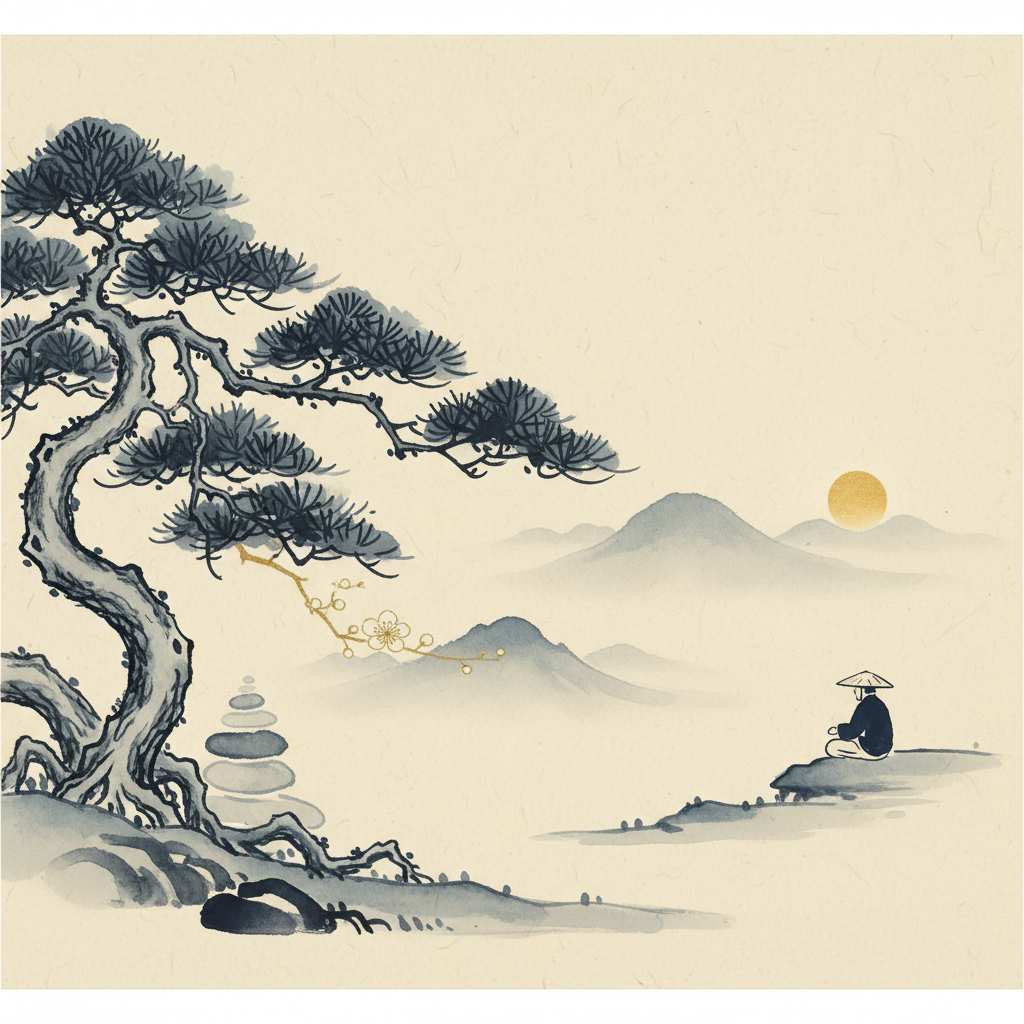
Discover Your Ikigai: A Practical Guide
Key Takeaways
- ●Ikigai is the Japanese concept of finding your life's purpose and reason for being.
- ●Uncovering your ikigai involves exploring the intersection of what you love, what you're good at, what the world needs, and what you can be paid for.
- ●By aligning your passions, skills, and values, you can discover a fulfilling path that brings you joy and meaning.
- ●Practical exercises like the Ikigai Venn diagram can help you uncover your unique ikigai.
- ●Cultivating an ikigai-centered lifestyle leads to greater well-being, longevity, and a sense of purpose.
What is Ikigai?
Ikigai is a Japanese concept that refers to the intersection of what you love, what you're good at, what the world needs, and what you can be paid for. It's your personal reason for being - the thing that gets you out of bed in the morning and fills you with a sense of purpose.
As author and ikigai expert Hector Garcia explains, "Ikigai is the convergence of four primary elements: what you love, what you're good at, what the world needs, and what you can be paid for."
How to Discover Your Ikigai
Uncovering your ikigai is a journey of self-discovery. It involves exploring the intersection of your passions, skills, values, and the needs of the world around you. Here are some practical steps to help you find your ikigai:
1. Reflect on What You Love
Start by reflecting on the activities, hobbies, and topics that bring you joy and fulfillment. What do you find yourself naturally drawn to? What energizes you and makes you lose track of time?
2. Identify Your Strengths
Next, take inventory of your unique skills, talents, and areas of expertise. What are you naturally good at? What do others often compliment you on?
3. Explore the World's Needs
Consider the challenges and problems facing your community and the world at large. What needs are not being met? How can you use your strengths to make a positive impact?
4. Determine Your Monetizable Skills
Finally, think about how you can turn your passions and strengths into a sustainable livelihood. What skills or knowledge can you monetize? How can you create value for others?
By aligning these four elements - what you love, what you're good at, what the world needs, and what you can be paid for - you can uncover your unique ikigai.
Cultivating an Ikigai-Centered Lifestyle
Once you've discovered your ikigai, the next step is to start living it. Incorporate your ikigai into your daily life through the following practices:
1. Prioritize Self-Care
Maintain a healthy work-life balance and make time for activities that nourish your mind, body, and spirit. This will help you sustain your energy and passion for your ikigai.
2. Continuously Learn and Grow
Embrace a growth mindset and seek out opportunities to expand your knowledge and skills. This will keep you engaged and adaptable in your ikigai-centered pursuits.
3. Contribute to Something Larger Than Yourself
Find ways to use your ikigai to make a positive impact on your community or the world. Connecting your work to a greater purpose can deepen your sense of meaning and fulfillment.
By aligning your daily life with your ikigai, you can unlock a profound sense of purpose, well-being, and longevity.
Frequently Asked Questions
What is Ikigai?
Ikigai is a Japanese concept representing your reason for being. It's the intersection of what you love, what you're good at, what the world needs, and what you can be paid for, giving you a sense of purpose.
How do I find my Ikigai?
Finding your Ikigai involves self-reflection and exploring the intersection of your passions, skills, values, and the needs of the world. Consider what you love, what you're good at, what the world needs, and what you can be paid for, then identify the overlap.
What are the four elements of Ikigai?
According to Ikigai expert Hector Garcia, the four primary elements of Ikigai are "what you love, what you're good at, what the world needs, and what you can be paid for." These elements converge to create your reason for being.
What are the benefits of finding your Ikigai?
Cultivating an Ikigai-centered lifestyle can lead to greater well-being, longevity, and a strong sense of purpose. By aligning your passions, skills, and values, you can discover a fulfilling path that brings you joy and meaning.
Is Ikigai just about finding a job?
No, Ikigai is much broader than just finding a job. While earning a living is one component, Ikigai encompasses your overall reason for being, including your passions, skills, and contributions to the world, regardless of whether they are directly tied to employment.
Join Our Community
Connect with thousands of purpose-seekers on their Ikigai journey. Get exclusive insights, weekly prompts, and support from like-minded individuals.
Written by V.S.
Founder of FindYourIkigai.co. I help people discover their reason for being through the ancient Japanese philosophy of Ikigai, blended with modern psychology and practical wisdom.
Learn more about me →Continue Reading
Ikigai in Action: How a Community Garden Cultivated Purpose
Discover how a community garden became a source of ikigai for its members. Learn how shared purpose, connection, and contribution can unlock your own reason for being.
Why You Haven't Found Your Ikigai Yet (And What to Do About It)
Discover your "reason for being" with this guide on finding your Ikigai - the sweet spot where your passions, talents, the world's needs, and financial viability intersect. Unlock a more purposeful, fulfilling life.
What Is Ikigai? The Japanese Secret to a Purposeful Life
Discover the Japanese concept of ikigai - the intersection of what you love, what you're good at, what the world needs, and what you can get paid for. Learn how embracing ikigai can help you find meaning, direction, and fulfillment in your life.