Ikigai & Wabi-Sabi: Finding Purpose in Imperfection
Discover how Ikigai (purpose) and Wabi-Sabi (beauty in imperfection) intertwine to create a fulfilling life. Learn practical ways to embrace these Japanese philosophies.
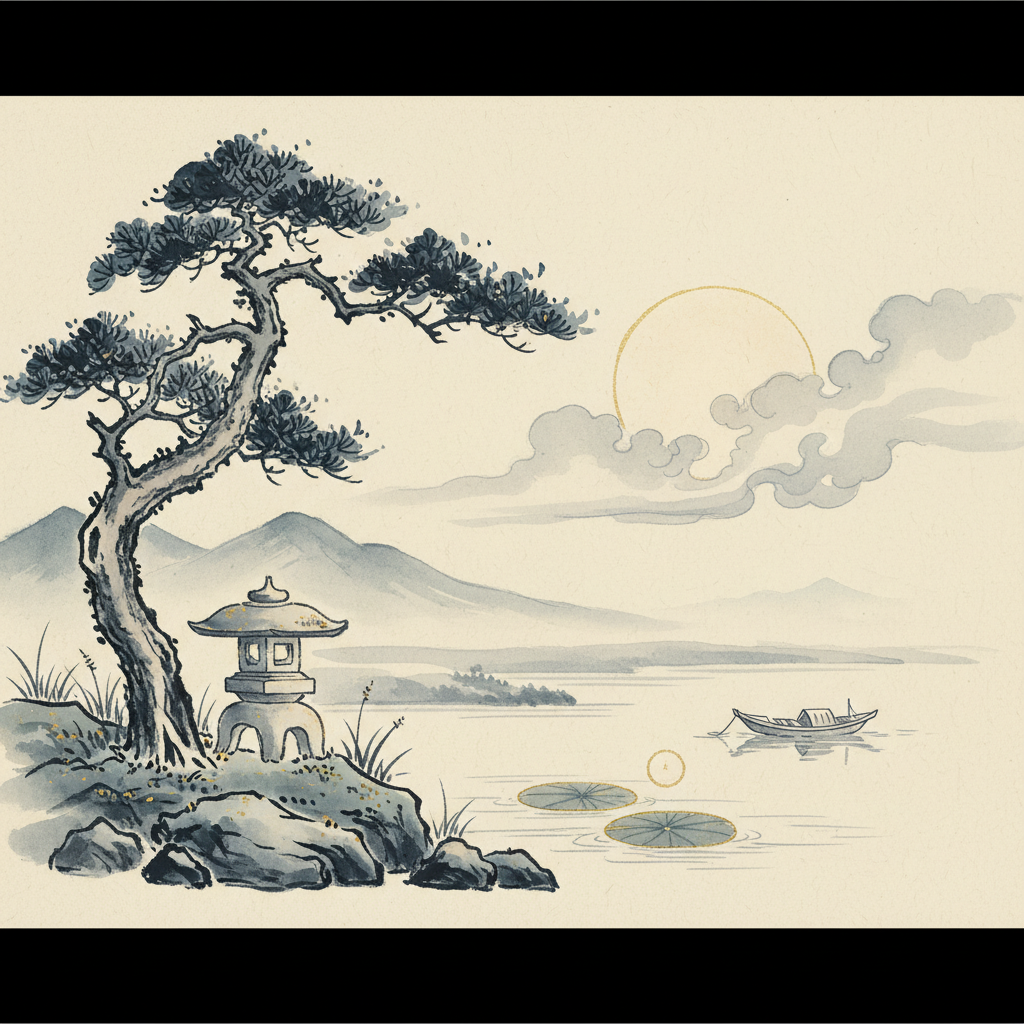
Have you ever felt pressured to achieve perfection? What if I told you that embracing imperfection could actually unlock a deeper sense of purpose and fulfillment? That's where Ikigai, your reason for being, beautifully intersects with Wabi-Sabi, the Japanese art of finding beauty in imperfection and transience. This guide will show you how to weave these powerful philosophies into your daily life.
What is Ikigai? Defining Your Reason for Being
Ikigai (生き甲斐) is a Japanese concept that essentially means "a reason for being." It's the intersection of what you love, what you're good at, what the world needs, and what you can be paid for. Finding your Ikigai can lead to a more meaningful and joyful life.
Think of it as your personal sweet spot – the thing that gets you out of bed in the morning with a sense of excitement and purpose. It's not necessarily a grand, world-changing endeavor; it can be something simple and personal that brings you joy and contributes to your well-being and the well-being of those around you.
The Four Elements of Ikigai
The Ikigai Venn diagram breaks down into four key elements:
- ●What you love (Passion): What activities make you lose track of time? What do you genuinely enjoy doing?
- ●What you are good at (Profession): What skills and talents do you possess? What comes naturally to you?
- ●What the world needs (Mission): How can you contribute to the world around you? What problems can you help solve?
- ●What you can be paid for (Vocation): What can you get paid to do? What skills are in demand?
Finding the overlap between these four elements is the key to discovering your Ikigai. It's a journey of self-discovery and exploration.
Understanding Wabi-Sabi: Embracing Imperfection
Wabi-Sabi (侘寂) is a Japanese aesthetic and philosophy that celebrates the beauty of imperfection, impermanence, and simplicity. It's about finding beauty in the flaws, the cracks, and the natural aging process of things. It's the antithesis of the modern obsession with perfection and newness.
Wabi-Sabi encourages us to appreciate the unique character of objects and experiences, recognizing that nothing lasts forever and that true beauty lies in authenticity. It's a mindset that promotes acceptance, gratitude, and a deeper connection with the natural world.
Wabi-Sabi is a beauty of things imperfect, impermanent, and incomplete. It is a beauty of things modest and humble. - Leonard Koren
Key Principles of Wabi-Sabi
- ●Imperfection: Embracing flaws and imperfections as part of the natural beauty of things.
- ●Impermanence: Recognizing that everything is in a constant state of change and decay.
- ●Simplicity: Appreciating the beauty of minimalism and avoiding unnecessary clutter.
- ●Authenticity: Valuing genuine and natural qualities over artificial or manufactured ones.
- ●Humility: Acknowledging the beauty of the understated and the unpretentious.
The Intertwined Relationship: Ikigai and Wabi-Sabi
So, how do these two seemingly distinct philosophies connect? The beauty lies in how Wabi-Sabi enhances the pursuit and experience of Ikigai.
Ikigai provides the direction and purpose, while Wabi-Sabi provides the grace and acceptance needed to navigate the inevitable challenges and imperfections that arise along the way. Wabi-Sabi allows you to embrace the journey of finding your Ikigai, even when things don't go as planned.
Ikigai gives you a reason to live, while Wabi-Sabi provides a lens through which to appreciate that life, in all its imperfect glory.
For example, if your Ikigai involves creating art, Wabi-Sabi encourages you to embrace the imperfections in your work, seeing them as unique expressions of your creativity rather than flaws to be corrected. It frees you from the pressure of perfection and allows you to enjoy the process of creating.
Practical Ways to Integrate Wabi-Sabi into Your Ikigai Journey
Here are some actionable steps you can take to incorporate Wabi-Sabi into your quest for Ikigai:
- ●Embrace Imperfection in Your Work: Instead of striving for flawless results, focus on the process and the unique qualities that emerge from your efforts. Allow yourself to make mistakes and learn from them.
- ●Find Beauty in the Everyday: Pay attention to the small, simple things in your life. Notice the beauty in a weathered teacup, a cracked piece of pottery, or a fading flower. These moments of appreciation can bring a sense of peace and contentment.
- ●Practice Mindfulness: Cultivate awareness of the present moment, accepting things as they are without judgment. This can help you appreciate the impermanence of life and find joy in the simple act of being.
- ●Declutter Your Life: Remove unnecessary possessions and create a more minimalist environment. This can help you focus on what truly matters and appreciate the beauty of simplicity.
- ●Connect with Nature: Spend time outdoors, observing the natural world and appreciating its inherent imperfections. Notice the beauty of a gnarled tree, a moss-covered rock, or a weathered coastline.
Benefits of Combining Ikigai and Wabi-Sabi
Combining Ikigai and Wabi-Sabi offers a multitude of benefits for your overall well-being:
- ●Reduced Stress and Anxiety: By embracing imperfection, you can let go of the pressure to be perfect and reduce stress and anxiety.
- ●Increased Self-Acceptance: Wabi-Sabi encourages you to accept yourself, flaws and all. This can lead to greater self-compassion and self-esteem.
- ●Enhanced Creativity: When you're not afraid to make mistakes, you're more likely to take risks and explore new ideas, which can boost your creativity.
- ●Greater Appreciation for Life: By focusing on the beauty of the present moment, you can cultivate a deeper appreciation for life and all its experiences.
- ●Improved Resilience: Accepting impermanence can help you cope with change and adversity, making you more resilient in the face of challenges.
Examples of Ikigai and Wabi-Sabi in Action
Let's look at some real-world examples of how Ikigai and Wabi-Sabi can be applied:
- ●The Potter: A potter finds their Ikigai in creating functional and beautiful ceramic pieces. They embrace the Wabi-Sabi aesthetic by celebrating the natural imperfections in the clay and the unique characteristics of each piece. They don't strive for perfect symmetry or flawless finishes, but rather allow the clay to express its own natural beauty.
- ●The Gardener: A gardener finds their Ikigai in nurturing plants and creating a beautiful garden. They embrace Wabi-Sabi by appreciating the natural cycles of growth and decay. They don't try to control every aspect of the garden, but rather allow it to evolve and change with the seasons. They find beauty in the wilting leaves, the fallen branches, and the unexpected blooms.
- ●The Writer: A writer finds their Ikigai in crafting stories that connect with readers and inspire them. They embrace Wabi-Sabi by accepting that their writing will never be perfect. They don't get discouraged by criticism or self-doubt, but rather use it as an opportunity to learn and grow. They find beauty in the imperfections of their words and the unique voice that emerges from their writing.
Overcoming Challenges: When Ikigai and Wabi-Sabi Clash with Modern Expectations
While the principles of Ikigai and Wabi-Sabi are deeply enriching, applying them in our modern, fast-paced, and perfection-driven world can present some challenges. It's important to be aware of these potential conflicts and develop strategies for navigating them.
- ●Perfectionism vs. Imperfection: Our society often equates success with flawlessness. Shifting your mindset to embrace imperfection requires conscious effort and a willingness to challenge deeply ingrained beliefs.
- ●Consumerism vs. Simplicity: The constant bombardment of advertisements and the pressure to acquire the latest gadgets can make it difficult to embrace the Wabi-Sabi principle of simplicity. Practicing mindful consumption and focusing on experiences rather than possessions can help.
- ●Instant Gratification vs. Patience: Ikigai is a journey, not a destination. It requires patience, perseverance, and a willingness to embrace the process, even when results are not immediately apparent. Cultivating patience and celebrating small victories along the way can help you stay motivated.
Remember that integrating Ikigai and Wabi-Sabi into your life is not about achieving perfection in imperfection. It's about cultivating a mindset of acceptance, gratitude, and appreciation for the beauty that already exists within you and around you.
Wabi-Sabi is not about making excuses for shoddiness, but about recognizing and celebrating the inherent beauty of things as they are.
Finding Your Ikigai: A Step-by-Step Guide
Finding your Ikigai is a personal journey, but here's a structured approach to guide you:
- ●Self-Reflection: Take time to reflect on your values, passions, skills, and interests. Ask yourself: What do I love to do? What am I good at? What does the world need? What can I be paid for?
- ●Exploration: Experiment with different activities and experiences. Try new hobbies, volunteer for causes you care about, and explore different career paths. The more you explore, the more likely you are to discover your Ikigai.
- ●Connection: Connect with others who share your interests and passions. Join communities, attend workshops, and network with people who inspire you. Surrounding yourself with like-minded individuals can provide support and encouragement.
- ●Action: Take action on your ideas and passions. Don't wait for the perfect opportunity; start small and build momentum. The more you do, the clearer your path will become.
- ●Iteration: Be willing to adapt and adjust your course as you learn and grow. Your Ikigai may evolve over time, so be open to new possibilities and embrace change.
Finding your Ikigai is a lifelong process, not a one-time event. Be patient with yourself, celebrate your progress, and enjoy the journey.
Conclusion: Embrace the Imperfect Journey to Purpose
Ikigai and Wabi-Sabi offer a powerful framework for living a more meaningful, fulfilling, and joyful life. By embracing imperfection, appreciating simplicity, and connecting with your purpose, you can unlock a deeper sense of contentment and well-being. Remember, the journey to finding your Ikigai is not about achieving perfection, but about embracing the beauty of the imperfect and appreciating the unique gifts that you have to offer the world. It’s about finding joy in the simple act of being, and recognizing the inherent value in every moment.
Now, take a moment to reflect on what you've learned. What small step can you take today to embrace Wabi-Sabi and move closer to your Ikigai? The journey awaits!
Frequently Asked Questions
What if I can't find my Ikigai? Is that okay?
Absolutely! Finding your Ikigai is a journey, not a destination. It's perfectly okay if you haven't found it yet. Focus on exploring your interests, developing your skills, and contributing to the world in small ways. Your Ikigai may reveal itself over time.
How is Ikigai different from a career?
While your career can be a part of your Ikigai, it's not the whole picture. Ikigai encompasses all aspects of your life, including your passions, relationships, and contributions to society. It's a more holistic concept than simply finding a job.
Can my Ikigai change over time?
Yes, absolutely! As you grow and evolve, your interests, skills, and values may change. Your Ikigai may also shift to reflect these changes. Be open to new possibilities and allow your Ikigai to evolve with you.
Is Wabi-Sabi just about accepting ugliness?
Not at all! Wabi-Sabi is about finding beauty in the imperfect, impermanent, and incomplete. It's not about celebrating ugliness, but rather about appreciating the unique character and authenticity of things that are not conventionally perfect.
How can I practice Wabi-Sabi in my daily life?
You can practice Wabi-Sabi by embracing imperfections, appreciating simplicity, connecting with nature, and practicing mindfulness. Pay attention to the small, simple things in your life and find beauty in the everyday moments.
Join Our Community
Connect with thousands of purpose-seekers on their Ikigai journey. Get exclusive insights, weekly prompts, and support from like-minded individuals.
Written by V.S.
Founder of FindYourIkigai.co. I help people discover their reason for being through the ancient Japanese philosophy of Ikigai, blended with modern psychology and practical wisdom.
Learn more about me →Continue Reading
Ikigai in Action: How a Community Garden Cultivated Purpose
Discover how a community garden became a source of ikigai for its members. Learn how shared purpose, connection, and contribution can unlock your own reason for being.
Why You Haven't Found Your Ikigai Yet (And What to Do About It)
Discover your "reason for being" with this guide on finding your Ikigai - the sweet spot where your passions, talents, the world's needs, and financial viability intersect. Unlock a more purposeful, fulfilling life.
What Is Ikigai? The Japanese Secret to a Purposeful Life
Discover the Japanese concept of ikigai - the intersection of what you love, what you're good at, what the world needs, and what you can get paid for. Learn how embracing ikigai can help you find meaning, direction, and fulfillment in your life.