Finding Ikigai in Imperfection: My Wabi-Sabi Journey
Discover how embracing wabi-sabi, the beauty of imperfection, helped me refine my Ikigai and find deeper meaning in life. A personal story of finding purpose through acceptance.
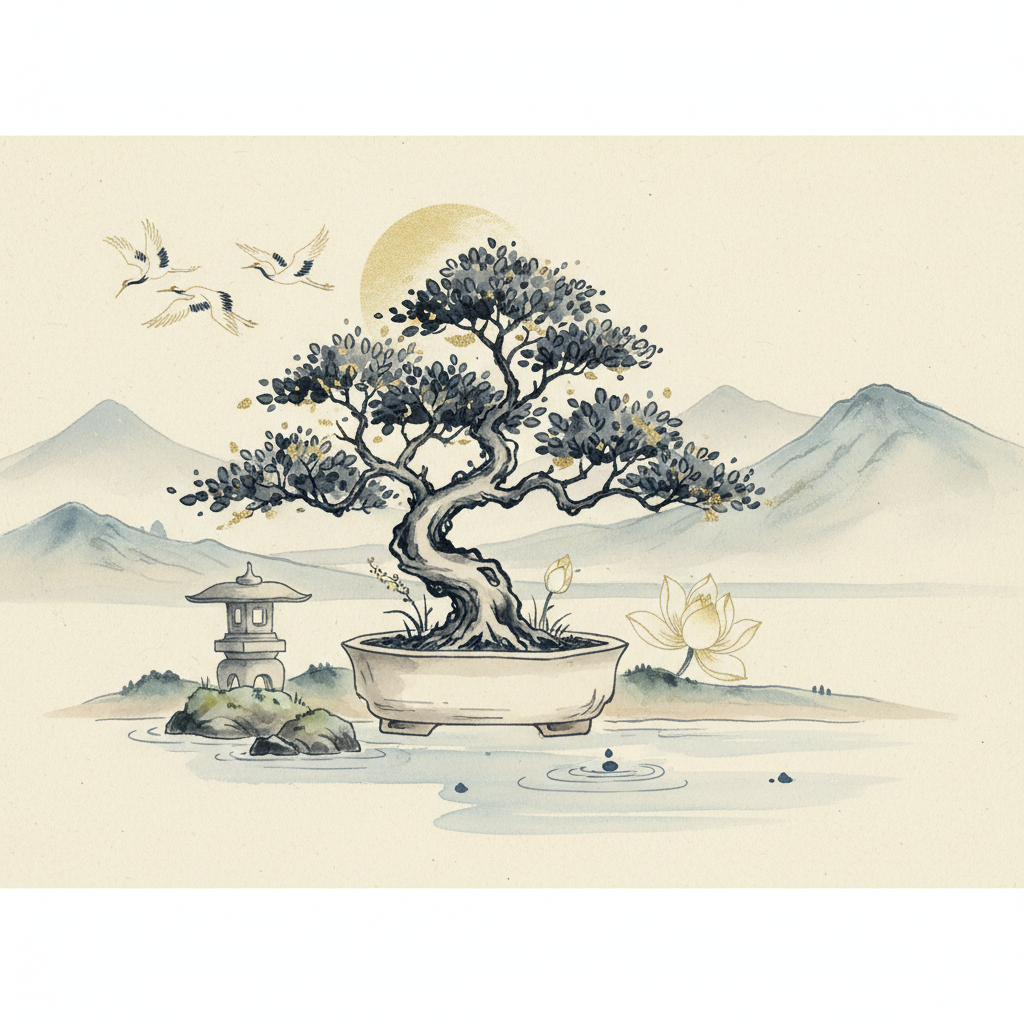
Have you ever felt like you're chasing an unattainable ideal? Like your Ikigai, your reason for being, is just out of reach because you're not 'perfect' enough? I certainly have. But my journey took an unexpected turn when I discovered the Japanese concept of wabi-sabi. Wabi-sabi, at its core, is the acceptance and appreciation of imperfection, transience, and simplicity. It taught me that my Ikigai wasn't about achieving flawlessness, but about finding beauty and purpose in the journey, with all its cracks and imperfections.
My Quest for the "Perfect" Ikigai
For years, I approached finding my Ikigai like a project. I devoured books, attended workshops, and meticulously analyzed my skills, passions, values, and what the world needed. I felt immense pressure to find that one perfect intersection, that single, shining purpose that would define my existence. I envisioned a grand, impactful career, a life of effortless passion and unwavering success.
The pursuit of perfection often obscures the beauty of the present moment.
I judged myself harshly for every misstep, every moment of doubt, every perceived failure. I was so focused on the destination – the perfect Ikigai – that I completely missed the beauty of the journey. I became paralyzed by the fear of making the wrong choice, constantly second-guessing myself and never fully committing to anything. This is how the search for one's Ikigai can become a source of great anxiety, something which should be avoided at all costs.
The Disconnect
Looking back, I realize I was approaching Ikigai from a very Western perspective – one of achievement, ambition, and external validation. I was so caught up in what I should be doing, what would impress others, that I lost touch with what truly resonated with me. This created a huge disconnect. I was trying to force myself into a mold that simply didn't fit. I felt stressed and unfulfilled despite diligently following the standard Ikigai frameworks.
Discovering Wabi-Sabi: A Shift in Perspective
My turning point came unexpectedly during a trip to Japan. I was visiting a traditional tea garden, admiring the weathered stones, the moss-covered lanterns, and the deliberately imperfect tea bowls. It was there that I first encountered the concept of wabi-sabi. It was a stark contrast to the polished, flawless aesthetic I associated with success. Learning about the history of wabi-sabi was mind-blowing. The style has roots in the 15th century, when Japanese art began to consciously reject opulence and embrace rustic simplicity.
Wabi-sabi embraces asymmetry, roughness, simplicity, economy, austerity, and modesty. It values the integrity of natural objects and processes.
Embracing Imperfection
I began to understand that wabi-sabi wasn't just an aesthetic; it was a philosophy, a way of seeing the world. It challenged my deeply ingrained belief that perfection was the ultimate goal. It suggested that true beauty and value could be found in the imperfections, the transience, and the natural processes of life.
Wabi-sabi teaches us to find beauty in the cracks, the wrinkles, and the imperfections of life.
This resonated deeply with my struggles in finding my Ikigai. I realized that my relentless pursuit of perfection was actually hindering my progress. I was so afraid of making mistakes that I wasn't allowing myself to learn and grow. I needed to embrace the imperfections of the journey, the detours, the setbacks, and the unexpected discoveries.
Letting Go of Control
Wabi-sabi also taught me the importance of letting go of control. I realized that I couldn't force my Ikigai to manifest in a specific way or on a specific timeline. I needed to trust the process, to be open to unexpected opportunities, and to allow my purpose to unfold organically. In a world obsessed with control and optimization, this was a radical idea. But it was also incredibly liberating.
How Wabi-Sabi Refined My Ikigai
Integrating wabi-sabi into my approach to Ikigai wasn't a quick fix, but a gradual shift in perspective. Here's how it played out in my life:
- ●Acceptance of My Imperfections: I stopped beating myself up for not being perfect. I acknowledged my weaknesses, embraced my flaws, and focused on my strengths. I understood that my imperfections were part of what made me unique and valuable. For example, I'm not a naturally gifted public speaker. But instead of avoiding it altogether, I embraced the awkwardness and focused on connecting with my audience authentically.
- ●Focus on the Process, Not Just the Outcome: I shifted my attention from achieving a specific outcome to enjoying the process of learning, creating, and contributing. I started celebrating small victories and appreciating the journey, even when it was challenging. I began to see writing as a joyful exploration, rather than a chore to produce perfect articles.
- ●Embracing Simplicity: I simplified my life, decluttered my schedule, and focused on the things that truly mattered. I realized that my Ikigai didn't have to be grand or complex; it could be found in the simple act of connecting with others, creating meaningful work, and contributing to something larger than myself. I started spending more time in nature, practicing mindfulness, and cultivating gratitude.
- ●Finding Beauty in the Mundane: I started to appreciate the beauty of everyday moments, the small joys, and the simple pleasures of life. I realized that my Ikigai wasn't something I had to search for; it was already present in my daily experiences. I found purpose in cooking a meal for my family, helping a friend in need, or simply taking a walk in the park.
True Ikigai is often found not in grand achievements, but in the quiet beauty of everyday moments.
Practical Steps to Integrate Wabi-Sabi into Your Ikigai Journey
Ready to embrace imperfection and find deeper meaning in your Ikigai? Here are a few practical steps you can take:
- ●Practice Self-Compassion: Treat yourself with the same kindness and understanding you would offer a friend. Acknowledge your imperfections, forgive your mistakes, and celebrate your successes, no matter how small.
- ●Embrace Imperfect Action: Don't wait for everything to be perfect before taking action. Start small, experiment, and learn from your mistakes. Remember that progress is better than perfection.
- ●Cultivate Gratitude: Take time each day to appreciate the simple things in your life. Notice the beauty around you, express gratitude for your blessings, and savor the present moment.
- ●Let Go of Expectations: Release your attachment to specific outcomes and trust the process. Be open to unexpected opportunities and allow your Ikigai to unfold organically. There is an estimate that 80% of people don't know what their Ikigai is; this is OK.
- ●Find Beauty in the Imperfect: Seek out examples of wabi-sabi in your surroundings. Admire the weathered textures of old buildings, the asymmetrical shapes of natural objects, and the unique character of handmade crafts.
My Imperfectly Perfect Ikigai
My Ikigai is not what I initially imagined. It's not a grand, world-changing career or a life of flawless success. It's a messy, imperfect, and ever-evolving journey of connecting with others, creating meaningful work, and contributing to something larger than myself. It's about embracing my imperfections, celebrating the small joys, and finding beauty in the mundane. It's about living authentically, with purpose and passion, in each and every moment. I am a writer, a teacher, and a lifelong learner. I find joy in sharing my experiences and insights with others, helping them to find their own Ikigai and live more fulfilling lives. And I know that, while my path may not be perfect, it is perfectly mine.
So, I encourage you to let go of the pressure to be perfect and embrace the beauty of imperfection. Your Ikigai is not a destination to be reached, but a journey to be savored. Embrace the wabi-sabi of life, and you may just find that your true purpose is waiting for you in the cracks and imperfections.
Frequently Asked Questions
What exactly is Wabi-Sabi?
Wabi-sabi is a Japanese aesthetic and worldview that embraces imperfection, impermanence, and simplicity. It finds beauty in the natural aging process and appreciates the unique character of objects and experiences.
How does Wabi-Sabi relate to Ikigai?
Wabi-sabi can help you refine your Ikigai by encouraging you to let go of perfectionism and embrace the journey, with all its flaws and imperfections. It reminds you to find beauty in the present moment and appreciate the simple things in life, which can lead to a deeper sense of purpose and fulfillment.
Is Ikigai a one-time discovery or something that evolves?
Ikigai is not a static concept; it's something that evolves and changes throughout your life as you grow and learn. Your passions, skills, values, and the needs of the world around you will all shift over time, so your Ikigai will likely evolve as well. Stay curious, be open to new experiences, and allow your purpose to unfold naturally.
How can I start incorporating Wabi-Sabi into my daily life?
Start by practicing self-compassion, embracing imperfect action, cultivating gratitude, and letting go of expectations. Seek out examples of wabi-sabi in your surroundings and find beauty in the imperfections of everyday life. Spend time in nature, practice mindfulness, and simplify your life.
What if I'm struggling to find my Ikigai?
It's okay to feel lost or uncertain. Finding your Ikigai is a journey, not a destination. Be patient with yourself, explore your interests, and don't be afraid to experiment. Talk to people who inspire you, read books, attend workshops, and seek guidance from mentors or coaches. Remember that your Ikigai is already within you; you just need to uncover it.
Join Our Community
Connect with thousands of purpose-seekers on their Ikigai journey. Get exclusive insights, weekly prompts, and support from like-minded individuals.
Written by V.S.
Founder of FindYourIkigai.co. I help people discover their reason for being through the ancient Japanese philosophy of Ikigai, blended with modern psychology and practical wisdom.
Learn more about me →Continue Reading
Ikigai in Action: How a Community Garden Cultivated Purpose
Discover how a community garden became a source of ikigai for its members. Learn how shared purpose, connection, and contribution can unlock your own reason for being.
Why You Haven't Found Your Ikigai Yet (And What to Do About It)
Discover your "reason for being" with this guide on finding your Ikigai - the sweet spot where your passions, talents, the world's needs, and financial viability intersect. Unlock a more purposeful, fulfilling life.
What Is Ikigai? The Japanese Secret to a Purposeful Life
Discover the Japanese concept of ikigai - the intersection of what you love, what you're good at, what the world needs, and what you can get paid for. Learn how embracing ikigai can help you find meaning, direction, and fulfillment in your life.