Ikigai Examples: 15 Real People Who Found Their Purpose
Discover 15 inspiring real-life ikigai stories to uncover your purpose, passion, and path to a more meaningful life. Explore the Japanese concept of finding your reason for being. #Ikigai #SelfDiscovery #PurposeDriven
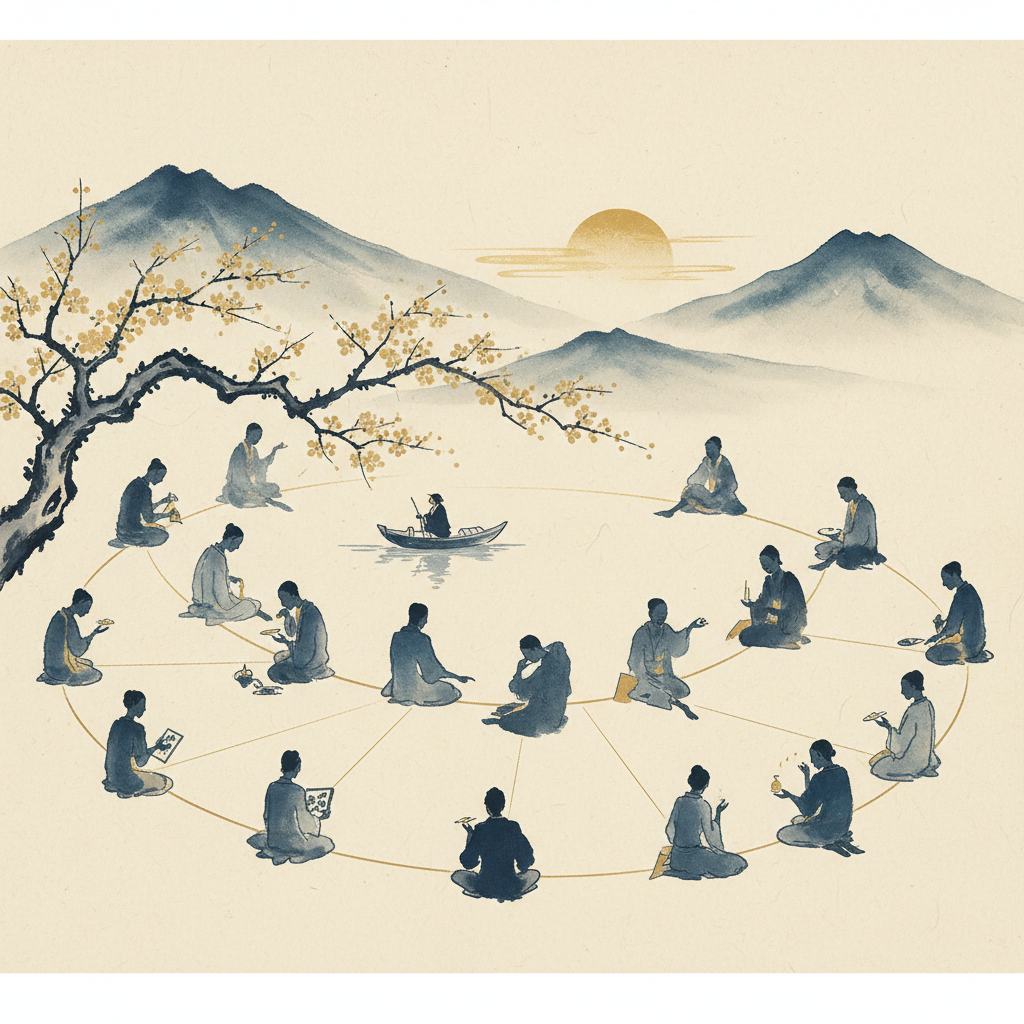
Ikigai Examples: 15 Real People Who Found Their Purpose
Key Takeaways
- ●Ikigai is a Japanese concept that translates to "a reason for being." It's about finding your purpose, passion, and what brings you joy.
- ●Discovering your ikigai can lead to a more fulfilling, meaningful, and purposeful life.
- ●Examining the ikigai stories of real people can inspire and guide you on your own journey of self-discovery.
What is Ikigai?
Ikigai is a Japanese concept that refers to "a reason for being." It's about finding your purpose, passion, and what brings you joy and fulfillment in life.
Ikigai sits at the intersection of four key elements:
- ●What you love (your passions and interests)
- ●What you're good at (your natural talents and skills)
- ●What the world needs (how you can contribute and serve others)
- ●What you can get paid for (your potential to earn a living)
When these four elements align, you've found your ikigai - your reason for being. This sweet spot is where you can thrive and live a life of purpose.
But discovering your ikigai isn't always easy. It requires deep self-reflection, experimentation, and a willingness to step outside your comfort zone. That's why examining the real-life ikigai stories of others can be so inspiring and insightful.
15 Inspiring Ikigai Examples
Let's dive into 15 powerful examples of people who have found their ikigai. These stories span different ages, backgrounds, and life experiences - but they all share a common thread of purpose, passion, and meaning.
1. Taro Okamoto - Artist and Visionary
Taro Okamoto was a renowned Japanese artist known for his bold, abstract, and thought-provoking works. From a young age, he was drawn to art and spent countless hours honing his skills.
But Okamoto's ikigai went beyond simply creating beautiful paintings. He saw art as a way to challenge societal norms, spark conversations, and inspire change. His iconic "Tower of the Sun" sculpture, for example, was a powerful commentary on humanity's relationship with nature and technology.
"Art is not a mirror held up to reality, but a hammer with which to shape it." - Taro Okamoto
Okamoto's unwavering commitment to his artistic vision and desire to make a meaningful impact is a shining example of ikigai in action.
2. Marie Kondo - Organizational Consultant and Author
Marie Kondo is a Japanese organizing consultant and author who has sparked a global "tidying up" revolution. Her KonMari method, which encourages people to only keep possessions that "spark joy," has transformed the way millions of people approach their homes and lives.
Kondo's ikigai lies in her deep passion for organization and minimalism, combined with her innate ability to help others find joy and clarity in their surroundings. Her best-selling books and popular Netflix series have empowered people around the world to declutter their lives and focus on what truly matters.
"The space in which we live should be for the person we are becoming now, not for the person we were in the past." - Marie Kondo
Kondo's work is a testament to the power of finding your purpose and using it to make a positive impact on others.
3. Masaru Ibuka - Co-founder of Sony
Masaru Ibuka, the co-founder of Sony, was a visionary entrepreneur who dedicated his life to innovation and technology. Alongside his business partner Akio Morita, Ibuka built Sony into a global electronics powerhouse, revolutionizing the way the world experiences music, entertainment, and communication.
Ibuka's ikigai was rooted in his insatiable curiosity, problem-solving abilities, and desire to create products that would enrich people's lives. He was driven by a relentless pursuit of excellence and a commitment to pushing the boundaries of what was possible.
"We have to do something better than anyone else. That's our aim." - Masaru Ibuka
Ibuka's legacy is a shining example of how finding your ikigai and channeling it into your work can lead to remarkable achievements and a lasting impact.
4. Satya Nadella - CEO of Microsoft
Satya Nadella, the current CEO of Microsoft, is a shining example of someone who has found their ikigai later in life. After joining Microsoft in 1992, Nadella slowly climbed the corporate ladder, eventually becoming the company's third CEO in 2014.
Nadella's ikigai lies in his ability to navigate complex technological challenges, his deep empathy for customers and employees, and his vision for transforming Microsoft into a cloud computing powerhouse. Under his leadership, the company has undergone a remarkable cultural and strategic shift, regaining its status as a tech industry leader.
"As a CEO, I need to have a clear sense of purpose and identity." - Satya Nadella
Nadella's story demonstrates that it's never too late to discover your ikigai and use it to drive positive change, both in your own life and the lives of others.
5. Yayoi Kusama - Artist and Visionary
Yayoi Kusama is a Japanese artist known for her mesmerizing, polka-dot-filled installations and paintings. From a young age, Kusama was drawn to art as a way to express her unique perspective on the world and her own personal struggles with mental health.
Kusama's ikigai lies in her unwavering dedication to her craft, her ability to create visually stunning and thought-provoking works, and her desire to use art as a means of self-expression and healing. Her iconic "Infinity Rooms" and immersive installations have captivated audiences around the world, earning her widespread critical acclaim and a legion of devoted fans.
"If it were not for art, I would have killed myself a long time ago." - Yayoi Kusama
Kusama's story is a powerful testament to the transformative power of finding your passion and using it to navigate life's challenges.
6. Haruki Murakami - Author and Runner
Haruki Murakami is a renowned Japanese author known for his deeply introspective and imaginative novels. But his ikigai extends beyond his literary prowess - it also includes his lifelong passion for running.
Murakami has been an avid runner for decades, completing numerous marathons and ultramarathons. He sees running as a way to clear his mind, find inspiration, and maintain his physical and mental well-being. Murakami's love of running is woven throughout his writing, with many of his protagonists being dedicated runners themselves.
"Pain is inevitable. Suffering is optional." - Haruki Murakami
Murakami's ability to seamlessly integrate his two great passions - writing and running - is a shining example of how to cultivate a rich and fulfilling ikigai.
7. Akiko Busch - Author and Naturalist
Akiko Busch is an American author and naturalist who has dedicated her life to exploring the intersection of nature, technology, and human experience. Her books, such as "How to Disappear" and "The Incidental Steward," delve into the ways in which we can find meaning and connection in an increasingly digital world.
Busch's ikigai lies in her deep fascination with the natural world, her ability to weave together scientific and philosophical perspectives, and her desire to inspire others to cultivate a more mindful, intentional relationship with their surroundings.
"The best way to understand the natural world is to be in it." - Akiko Busch
Busch's work is a shining example of how finding your ikigai can lead to a life of purpose, exploration, and meaningful contribution.
8. Hayao Miyazaki - Animator and Environmentalist
Hayao Miyazaki is a legendary Japanese animator and co-founder of Studio Ghibli, the acclaimed animation studio behind beloved films like "Spirited Away," "My Neighbor Totoro," and "Princess Mononoke."
Miyazaki's ikigai lies in his unwavering commitment to crafting visually stunning, emotionally resonant, and environmentally conscious stories. His films often explore themes of nature, spirituality, and the human condition, inspiring audiences around the world to reconnect with the wonder of the natural world.
"If you lose hope, somehow you lose the vitality that keeps life moving, you lose that courage to be, that quality that helps you go on in spite of it all." - Hayao Miyazaki
Miyazaki's dedication to his craft and his ability to use animation as a medium for social and environmental advocacy make him a true embodiment of the ikigai spirit.
9. Masako Wakamiya - Tech Entrepreneur and Advocate
Masako Wakamiya is a Japanese tech entrepreneur and advocate who has dedicated her life to empowering older adults to embrace technology. At the age of 82, she created her first mobile app, defying stereotypes and inspiring others to see the potential of digital tools.
Wakamiya's ikigai lies in her boundless curiosity, her desire to learn and grow, and her passion for using technology to improve the lives of seniors. She is a tireless advocate for digital inclusion and has spoken at numerous conferences, sharing her story and encouraging others to follow in her footsteps.
"Age is no barrier. It's a limitation you put on your mind." - Masako Wakamiya
Wakamiya's story is a powerful reminder that it's never too late to discover your ikigai and use it to make a positive impact on the world.
10. Naomi Osaka - Tennis Player and Advocate
Naomi Osaka is a professional tennis player who has risen to the top of her sport while also using her platform to advocate for social justice and mental health awareness.
Osaka's ikigai is rooted in her love for the game of tennis, her fierce competitive spirit, and her desire to be a positive role model for younger generations. But she has also found purpose in using her voice to speak out against racial injustice and destigmatize conversations around mental health.
"I think the greatest thing I can do is to use my voice for something that I believe in." - Naomi Osaka
Osaka's story demonstrates how finding your ikigai can empower you to not only excel in your chosen field but also make a meaningful difference in the lives of others.
11. Satya Nadella - CEO of Microsoft
Satya Nadella, the current CEO of Microsoft, is a shining example of someone who has found their ikigai later in life. After joining Microsoft in 1992, Nadella slowly climbed the corporate ladder, eventually becoming the company's third CEO in 2014.
Nadella's ikigai lies in his ability to navigate complex technological challenges, his deep empathy for customers and employees, and his vision for transforming Microsoft into a cloud computing powerhouse. Under his leadership, the company has undergone a remarkable cultural and strategic shift, regaining its status as a tech industry leader.
"As a CEO, I need to have a clear sense of purpose and identity." - Satya Nadella
Nadella's story demonstrates that it's never too late to discover your ikigai and use it to drive positive change, both in your own life and the lives of others.
12. Mirai Nagasu - Figure Skater and Olympian
Mirai Nagasu is an American figure skater who made history by becoming the first American woman to land a triple axel jump in the Olympics. Her journey to the top of her sport has been marked by unwavering determination, resilience, and a deep love for the art of figure skating.
Nagasu's ikigai lies in her passion for the sport, her commitment to constantly improving her skills, and her desire to inspire others, especially young girls, to pursue their dreams. Her historic achievement at the 2018 Winter Olympics in Pyeongchang was a testament to the power of finding and following your true purpose.
"I've always believed that if you work hard and you put your mind to it, you can accomplish anything." - Mirai Nagasu
Nagasu's story is a powerful reminder that when you align your passions, talents, and the needs of the world, you can achieve remarkable feats and leave a lasting impact.
13. Akira Kurosawa - Filmmaker and Visionary
Akira Kurosawa was a legendary Japanese filmmaker who is widely regarded as one of the greatest directors of all time. His iconic films, such as "Seven Samurai," "Rashomon," and "Ran," have left an indelible mark on the world of cinema and influenced countless filmmakers across the globe.
Kurosawa's ikigai was rooted in his deep fascination with the human condition, his ability to craft visually stunning and emotionally resonant stories, and his desire to use the medium of film to explore complex philosophical and social themes. His unwavering commitment to his craft and his willingness to take creative risks made him a true visionary in the world of filmmaking.
"To be a human being is a difficult role to play." - Akira Kurosawa
Kurosawa's legacy is a testament to the power of finding your ikigai and using it to create works that inspire, challenge, and captivate audiences for generations to come.
14. Yvon Chouinard - Founder of Patagonia
Yvon Chouinard is the founder of Patagonia, the iconic outdoor apparel and gear company known for its commitment to environmental sustainability and social responsibility.
Chouinard's ikigai lies in his deep love for the natural world, his passion for creating high-quality, durable products, and his desire to use his business as a force for good. He has built Patagonia into a company that prioritizes environmental stewardship, worker welfare, and community engagement, setting a new standard for corporate social responsibility.
"The more you know, the less you need." - Yvon Chouinard
Chouinard's story is a powerful example of how finding your ikigai can lead to a life of purpose, impact, and lasting change.
15. Masayoshi Son - Founder and CEO of SoftBank
Masayoshi Son, the founder and CEO of SoftBank, is a Japanese entrepreneur who has built a global technology empire. Son's ikigai is rooted in his boundless ambition, his ability to identify and invest in disruptive technologies, and his desire to create a more connected and technologically advanced world.
Under Son's leadership, SoftBank has become a major player in the venture capital and technology sectors, investing in companies like Uber, Slack, and WeWork. Son's bold vision and willingness to take calculated risks have made him a trailblazer in the tech industry.
"I want to change the world. I want to create something that will last 300 years." - Masayoshi Son
Son's story is a testament to the power of finding your ikigai and using it to drive innovation, growth, and positive change on a global scale.
Conclusion: Discovering Your Own Ikigai
These 15 inspiring ikigai examples demonstrate the incredible diversity of ways in which people can find their purpose, passion, and reason for being. From artists and visionaries to entrepreneurs and athletes, each of these individuals has found a unique path to living a fulfilling and meaningful life.
As you reflect on these stories, consider what elements of ikigai resonate most with you. What are your passions and interests? What skills and talents come naturally to you? How can you use your abilities to make a positive impact on the world around you? And how can you turn your purpose into a sustainable way of earning a living?
Discovering your ikigai may not be a straightforward or easy process, but it's a journey worth embarking on. By taking the time to deeply understand yourself, experiment with different pursuits, and stay open to new possibilities, you can uncover the reason for your being and unlock a life of greater purpose, joy, and fulfillment.
So, what are you waiting for? Start exploring, and let your ikigai guide you towards a more purposeful and meaningful existence.
Frequently Asked Questions
What is Ikigai?
Ikigai is a Japanese concept that translates to "a reason for being." It's about finding your purpose, passion, and what brings you joy and fulfillment in life. Ikigai sits at the intersection of what you love, what you're good at, what the world needs, and what you can get paid for.
How do I find my Ikigai?
Finding your ikigai requires deep self-reflection, experimentation, and a willingness to step outside your comfort zone. Consider what you love, what you're good at, how you can contribute to the world, and how you can earn a living, and see where those elements align. Examining the real-life ikigai stories of others can also be inspiring and insightful.
What are the four elements of Ikigai?
The four elements of Ikigai are: what you love (your passions and interests), what you're good at (your natural talents and skills), what the world needs (how you can contribute and serve others), and what you can get paid for (your potential to earn a living). When these elements align, you've found your Ikigai.
Can Ikigai change over time?
Yes, your Ikigai can evolve and change throughout your life as your interests, skills, and the needs of the world around you shift. It's a journey of continuous self-discovery and adaptation.
Is Ikigai just about finding a job?
No, Ikigai is much broader than just finding a job. While earning a living is one component, Ikigai encompasses your overall reason for being and finding purpose and fulfillment in all aspects of your life, including your relationships, hobbies, and contributions to society.
Join Our Community
Connect with thousands of purpose-seekers on their Ikigai journey. Get exclusive insights, weekly prompts, and support from like-minded individuals.
Written by V.S.
Founder of FindYourIkigai.co. I help people discover their reason for being through the ancient Japanese philosophy of Ikigai, blended with modern psychology and practical wisdom.
Learn more about me →Continue Reading
Ikigai in Action: How a Community Garden Cultivated Purpose
Discover how a community garden became a source of ikigai for its members. Learn how shared purpose, connection, and contribution can unlock your own reason for being.
Why You Haven't Found Your Ikigai Yet (And What to Do About It)
Discover your "reason for being" with this guide on finding your Ikigai - the sweet spot where your passions, talents, the world's needs, and financial viability intersect. Unlock a more purposeful, fulfilling life.
What Is Ikigai? The Japanese Secret to a Purposeful Life
Discover the Japanese concept of ikigai - the intersection of what you love, what you're good at, what the world needs, and what you can get paid for. Learn how embracing ikigai can help you find meaning, direction, and fulfillment in your life.