Ikigai for Parents: Finding Purpose & Joy in Caregiving (2026)
Parenting burnout is real. Discover how Ikigai, the Japanese concept of 'reason for being', can help parents find joy, balance, and renewed purpose in their crucial role. Practical tips & real-life examples inside!
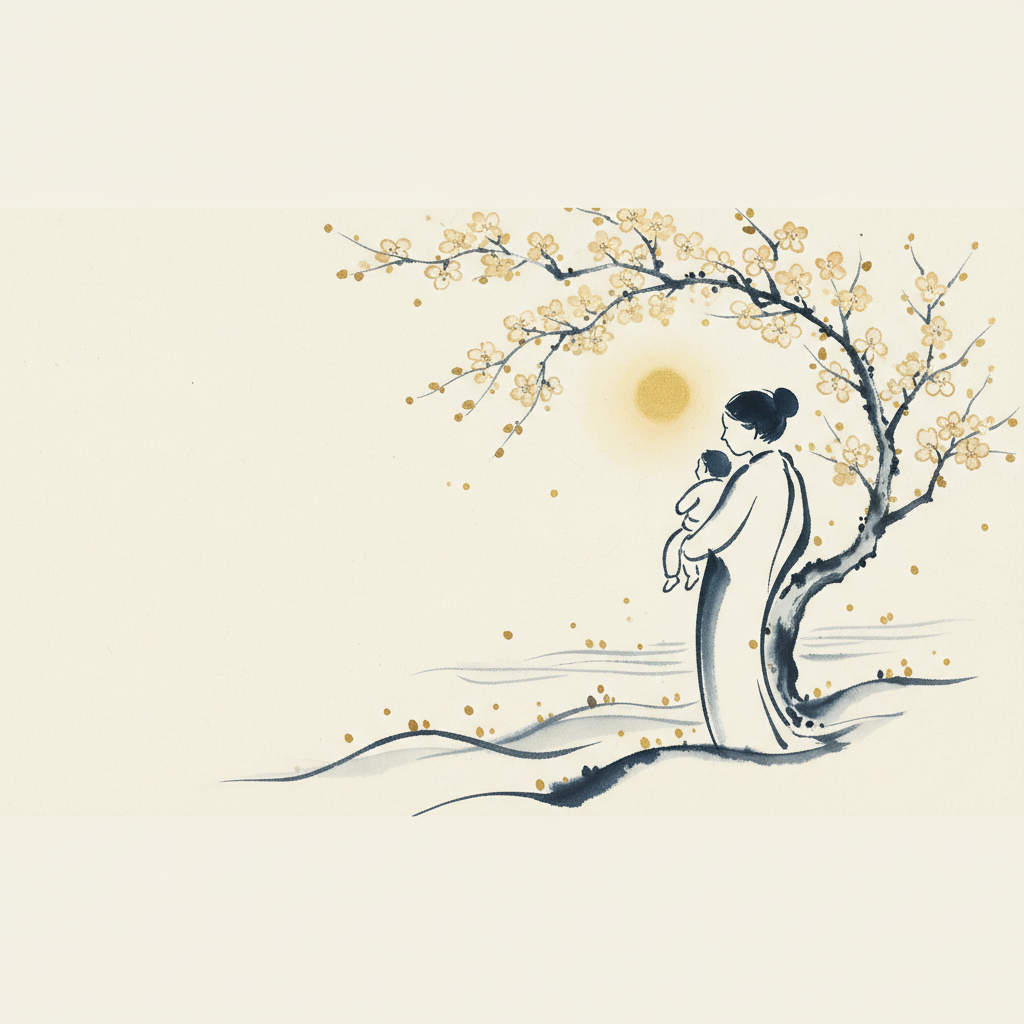
Parenting can feel like a relentless marathon of tasks, worries, and sleepless nights, leaving many feeling depleted and disconnected from their own passions. But what if you could find renewed purpose and joy amidst the chaos? That's where Ikigai, the Japanese philosophy of finding your 'reason for being', comes in. It offers a powerful framework for parents and caregivers to rediscover their passions, manage stress, and create a more fulfilling and meaningful life, all while nurturing the next generation.
The Rising Trend of Parental Burnout
Parental burnout is a very real and growing concern. It's characterized by overwhelming exhaustion, emotional detachment from children, and a sense of ineffectiveness as a parent. This isn't just feeling tired; it's a state of chronic stress that can have serious consequences for both parents and children.
Parental burnout is not simply feeling tired; it's a state of chronic stress with serious consequences.
Why Now? Factors Contributing to Parental Burnout
Several factors contribute to this rising trend:
- ●Increased Pressure: Modern parents face immense pressure to be perfect – juggling work, finances, household chores, and intensive parenting styles. Social media often amplifies these unrealistic expectations, leading to feelings of inadequacy.
- ●Decline in Support Systems: Unlike previous generations, many parents lack strong community support. Families are often geographically dispersed, and traditional support networks like grandparents are less available.
- ●Economic Strain: The rising cost of living, childcare, and education adds significant stress, especially for single-parent households.
- ●Work-Life Imbalance: The blurring lines between work and personal life, fueled by technology, make it difficult for parents to disconnect and recharge. A 2021 study by the World Health Organization found that working parents are 40% more likely to experience burnout than their non-parenting colleagues.
- ●Pandemic Aftermath: The COVID-19 pandemic exacerbated existing stressors, with school closures, job losses, and social isolation taking a heavy toll on parents' mental and emotional well-being.
The Ikigai Response: A Search for Meaning
As parental burnout rises, there's a growing search for solutions that go beyond quick fixes and offer a more sustainable approach to well-being. This is where Ikigai comes in. More parents are embracing the philosophy to find meaning and purpose in their caregiving roles.
Ikigai (生き甲斐) is a Japanese concept that translates roughly to "a reason for being". It is the intersection of what you love, what you are good at, what the world needs, and what you can be paid for. While the "paid for" element is more applicable to career choices, the other three elements are highly relevant to parenting.
Ikigai is the intersection of what you love, what you are good at, what the world needs, and what you can be paid for.
Applying Ikigai to Parenthood: Practical Steps
So, how can you, as a parent or caregiver, integrate Ikigai into your daily life?
- ●
Rediscover What You Love:
- ●Identify Your Passions: What activities truly energize you? What did you enjoy before becoming a parent? It could be anything from reading and writing to hiking, painting, or playing music. Make a list, no matter how small or seemingly insignificant.
- ●Schedule Dedicated Time: Even 15-30 minutes a day can make a difference. Treat this time as non-negotiable, just like any other important appointment. Ask for help from your partner, family, or a babysitter if needed.
- ●Incorporate Your Children: Look for ways to involve your children in your passions. If you love hiking, take them on a nature walk. If you enjoy cooking, let them help you prepare a simple meal. This not only allows you to pursue your interests but also creates opportunities for bonding and teaching.
- ●
Identify Your Strengths:
- ●Reflect on Your Skills: What are you naturally good at? What do people compliment you on? Are you a good listener, a creative problem-solver, or a patient teacher? Make a list of your strengths, both big and small.
- ●Leverage Your Strengths in Parenting: How can you use your strengths to be a more effective and fulfilled parent? If you're a good listener, make a conscious effort to truly hear your children's concerns. If you're a creative problem-solver, involve your children in brainstorming solutions to challenges.
- ●Embrace Imperfection: No one is perfect, and that includes parents. Focus on using your strengths to the best of your ability, and don't beat yourself up over your weaknesses. Remember, your children don't need a perfect parent; they need a loving and supportive one.
- ●
Recognize What the World Needs:
- ●Consider Your Impact: How can you contribute to the well-being of your family, community, and the world? What values do you want to instill in your children? Think beyond your immediate circle and consider the broader impact of your actions.
- ●Model Positive Behavior: Children learn by example. Show them what it means to be kind, compassionate, and responsible. Volunteer your time, support causes you believe in, and treat others with respect. This will not only make a difference in the world but also teach your children valuable life lessons.
- ●Focus on Raising Good Humans: Ultimately, the world needs good people. Focus on nurturing your children's emotional intelligence, empathy, and sense of responsibility. Help them develop into kind, compassionate, and contributing members of society.
Examples of Ikigai in Action for Parents
- ●The Writer Mom: A mother who loves writing joins a local writers' group and carves out an hour each evening to work on her novel. She involves her children by reading them excerpts and asking for their feedback, turning it into a family activity.
- ●The Musician Dad: A father who plays guitar starts teaching his children basic chords. They form a family band and perform at local community events, fostering creativity and connection.
- ●The Gardener Parent: A parent with a green thumb starts a community garden with their children. They donate the produce to a local food bank, teaching their children about giving back and contributing to the community.
Analyzing the Implications: Benefits of Ikigai for Parents
Embracing Ikigai can have profound benefits for parents and their families.
- ●Reduced Stress and Burnout: By pursuing their passions and leveraging their strengths, parents can reduce stress and prevent burnout. This leads to a more positive and fulfilling parenting experience.
- ●Improved Mental and Emotional Well-being: Connecting with their Ikigai can boost parents' self-esteem, confidence, and overall sense of well-being. This allows them to be more present and engaged with their children.
- ●Stronger Family Bonds: Sharing their passions and values with their children creates opportunities for bonding and connection. This strengthens family relationships and creates lasting memories.
- ●Positive Role Modeling: When parents pursue their Ikigai, they model positive behavior for their children. This teaches them the importance of pursuing their own passions and living a meaningful life.
Pursuing your Ikigai as a parent models positive behavior and teaches your children the importance of living a meaningful life.
Predictions: The Future of Ikigai and Parenthood
As awareness of parental burnout continues to grow, I predict we'll see even more parents turning to Ikigai as a framework for finding purpose and joy in their caregiving roles. This will lead to:
- ●Increased Demand for Ikigai-Based Resources: More books, workshops, and online programs will be developed specifically for parents seeking to integrate Ikigai into their lives.
- ●Greater Emphasis on Self-Care: Parents will prioritize self-care as an essential component of effective parenting, recognizing that they can't pour from an empty cup.
- ●More Supportive Communities: Online and offline communities will emerge to provide parents with support, encouragement, and resources for pursuing their Ikigai.
- ●A Shift in Parenting Culture: There will be a gradual shift away from perfectionistic parenting styles towards a more balanced and sustainable approach that prioritizes well-being and connection.
It's also possible that the concept of Ikigai will be integrated into workplace wellness programs, offering support and resources to working parents to help them manage stress and find a better work-life balance.
Finding your Ikigai as a parent is a journey, not a destination. Be patient with yourself, celebrate your successes, and learn from your challenges. Remember, you're not just raising children; you're shaping the future. By finding your Ikigai, you can create a more fulfilling and meaningful life for yourself and your family.
Ready to get started? Reflect on the four elements of Ikigai: What do you love? What are you good at? What does the world need? And how can you weave these elements into your parenting journey? Start small, be consistent, and watch as your sense of purpose and joy blossoms.
Frequently Asked Questions
What if I don't know what my Ikigai is?
That's perfectly normal! Ikigai is a journey of self-discovery. Start by exploring different interests and activities. Pay attention to what makes you feel energized and fulfilled. Don't be afraid to experiment and try new things. It takes time to uncover your true passions and purpose.
How can I find time for my Ikigai when I'm already so busy as a parent?
Time management is key. Look for small pockets of time throughout the day. Even 15-30 minutes can make a difference. Prioritize activities that truly matter to you and delegate or eliminate those that don't. Don't be afraid to ask for help from your partner, family, or friends.
Is it selfish to focus on my own Ikigai when I have children to care for?
Absolutely not! Taking care of yourself is not selfish; it's essential for effective parenting. When you're happy and fulfilled, you're better able to care for your children. By pursuing your Ikigai, you're modeling positive behavior and teaching your children the importance of self-care and pursuing their own passions.
Can my Ikigai change over time?
Yes, absolutely! Your Ikigai may evolve as you grow and change. That's perfectly normal. Be open to exploring new interests and passions as you navigate different stages of life. The key is to stay curious and continue seeking out activities that bring you joy and purpose.
How can I involve my children in my Ikigai journey?
Look for ways to incorporate your children into your passions and interests. If you love hiking, take them on a nature walk. If you enjoy cooking, let them help you prepare a meal. This not only allows you to pursue your Ikigai but also creates opportunities for bonding and connection with your children.
Join Our Community
Connect with thousands of purpose-seekers on their Ikigai journey. Get exclusive insights, weekly prompts, and support from like-minded individuals.
Written by V.S.
Founder of FindYourIkigai.co. I help people discover their reason for being through the ancient Japanese philosophy of Ikigai, blended with modern psychology and practical wisdom.
Learn more about me →Continue Reading
Ikigai in Action: How a Community Garden Cultivated Purpose
Discover how a community garden became a source of ikigai for its members. Learn how shared purpose, connection, and contribution can unlock your own reason for being.

Why You Haven't Found Your Ikigai Yet (And What to Do About It)
Discover your "reason for being" with this guide on finding your Ikigai - the sweet spot where your passions, talents, the world's needs, and financial viability intersect. Unlock a more purposeful, fulfilling life.

What Is Ikigai? The Japanese Secret to a Purposeful Life
Discover the Japanese concept of ikigai - the intersection of what you love, what you're good at, what the world needs, and what you can get paid for. Learn how embracing ikigai can help you find meaning, direction, and fulfillment in your life.