Ikigai in Teaching & Healing: Finding Purpose in Service
Discover how teachers and healers can find ikigai, aligning their passion and skills to create a fulfilling and impactful career. Explore practical steps and real-life examples.
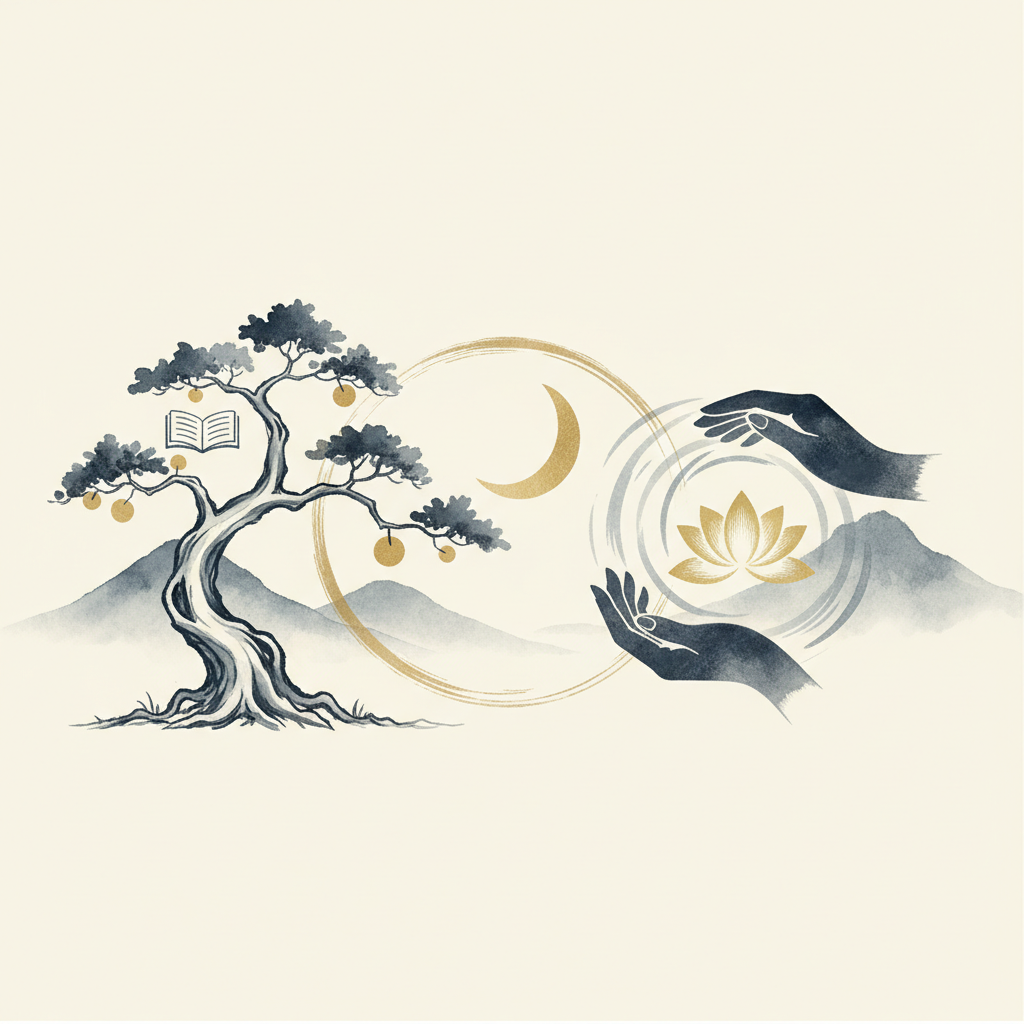
Do you feel a deep calling to teach or heal? Finding your ikigai – your reason for being – can transform your work from a job into a joyful purpose. This guide explores how teachers and healers can discover and live their ikigai, creating a life of passion, impact, and fulfillment. Let's explore how you can find that spark!
Ikigai, often translated as "a reason for being," is a Japanese concept that encompasses finding joy and purpose in life through meaningful work and connections. It's the intersection of what you love, what you're good at, what the world needs, and what you can be paid for. For teachers and healers, whose professions are inherently service-oriented, ikigai can be a powerful framework for creating a deeply satisfying and impactful career.
Understanding Ikigai: A Foundation for Purpose
Before we dive into the specifics for teachers and healers, let's solidify what ikigai truly represents.
Ikigai (生き甲斐) is a Japanese concept that means "a reason for being." It represents the sweet spot where your passion, mission, vocation, and profession intersect, leading to a life filled with purpose and joy. Finding your ikigai involves introspection, exploration, and a willingness to align your actions with your core values.
The Four Elements of Ikigai
At the heart of the ikigai concept are four interconnected elements:
- ●What you love (Passion): This involves identifying your interests, hobbies, and what brings you joy and excitement. What activities make you lose track of time?
- ●What you are good at (Profession): This refers to your skills, talents, and expertise. What are you naturally good at, and what skills have you honed over time?
- ●What the world needs (Mission): This involves considering how you can contribute to the greater good and make a positive impact on society. What problems do you want to solve, and how can you serve others?
- ●What you can be paid for (Vocation): This refers to the economic aspect of your work. Can you earn a living doing what you love and what the world needs?
Ikigai is not just about finding a job; it's about finding a way to contribute your unique gifts to the world while also supporting yourself financially.
When these four elements align, you unlock a powerful sense of purpose and fulfillment, making your work not just a means to an end, but a source of joy and meaning.
Ikigai for Teachers: Nurturing the Next Generation
For teachers, ikigai can be found in the profound impact they have on their students' lives. It's about more than just imparting knowledge; it's about nurturing young minds, fostering a love of learning, and preparing students for a successful future.
Aligning Passion with Curriculum
Many teachers find their passion in specific subjects or age groups. How can you align your passion with the curriculum you teach?
- ●Incorporate your interests: If you love history, bring historical anecdotes and stories into your lessons to make them more engaging. If you're passionate about science, design hands-on experiments that spark curiosity.
- ●Develop new electives or programs: Propose new courses or extracurricular activities that reflect your passions and address unmet needs in your school community. This could be anything from a creative writing club to a coding workshop.
- ●Personalize your teaching style: Infuse your teaching with your unique personality and approach. Are you a storyteller? A facilitator? An innovator? Let your strengths shine through.
Fostering a Growth Mindset
Teachers who embrace a growth mindset believe that intelligence and abilities can be developed through dedication and hard work. This belief can be contagious, inspiring students to persevere through challenges and embrace learning as a lifelong journey.
- ●Provide constructive feedback: Focus on effort, progress, and strategies rather than innate ability. Frame mistakes as opportunities for learning and growth.
- ●Celebrate effort and perseverance: Recognize and reward students who demonstrate dedication and resilience, even if they don't achieve immediate success.
- ●Model a growth mindset: Share your own learning experiences and challenges, demonstrating that you are also a lifelong learner.
Creating a Supportive Learning Environment
A positive and supportive learning environment is essential for students to thrive. Teachers can create this environment by:
- ●Building strong relationships: Get to know your students as individuals, and show them that you care about their well-being.
- ●Promoting collaboration: Encourage students to work together, share ideas, and support each other's learning.
- ●Establishing clear expectations: Set clear rules and expectations for behavior, and consistently enforce them with fairness and compassion.
A teacher's ikigai often lies in witnessing the growth and development of their students, knowing they've played a part in shaping future generations.
Example: Ms. Tanaka's Transformation
Ms. Tanaka, a high school English teacher, felt burned out after years of teaching the same curriculum. She loved literature but felt disconnected from her students. She realized her ikigai was not just teaching English, but inspiring a love of reading and writing. She started incorporating contemporary novels that reflected her students' lives and interests. She also created a creative writing workshop where students could express themselves freely. As a result, her students became more engaged, and Ms. Tanaka rediscovered her passion for teaching.
Ikigai for Healers: Caring for Body, Mind, and Spirit
For healers, ikigai can be found in the profound impact they have on their patients' well-being. It's about more than just treating symptoms; it's about providing holistic care that addresses the physical, mental, and spiritual needs of the individual.
Defining
Join Our Community
Connect with thousands of purpose-seekers on their Ikigai journey. Get exclusive insights, weekly prompts, and support from like-minded individuals.
Written by V.S.
Founder of FindYourIkigai.co. I help people discover their reason for being through the ancient Japanese philosophy of Ikigai, blended with modern psychology and practical wisdom.
Learn more about me →Continue Reading
Ikigai in Action: How a Community Garden Cultivated Purpose
Discover how a community garden became a source of ikigai for its members. Learn how shared purpose, connection, and contribution can unlock your own reason for being.

Why You Haven't Found Your Ikigai Yet (And What to Do About It)
Discover your "reason for being" with this guide on finding your Ikigai - the sweet spot where your passions, talents, the world's needs, and financial viability intersect. Unlock a more purposeful, fulfilling life.

What Is Ikigai? The Japanese Secret to a Purposeful Life
Discover the Japanese concept of ikigai - the intersection of what you love, what you're good at, what the world needs, and what you can get paid for. Learn how embracing ikigai can help you find meaning, direction, and fulfillment in your life.