Ikigai: Japanese Wisdom vs. Western Interpretation - A Deep Dive
Explore the true meaning of Ikigai! We compare the Japanese understanding of purpose with the Western interpretation, offering practical tips to find your own reason for being.
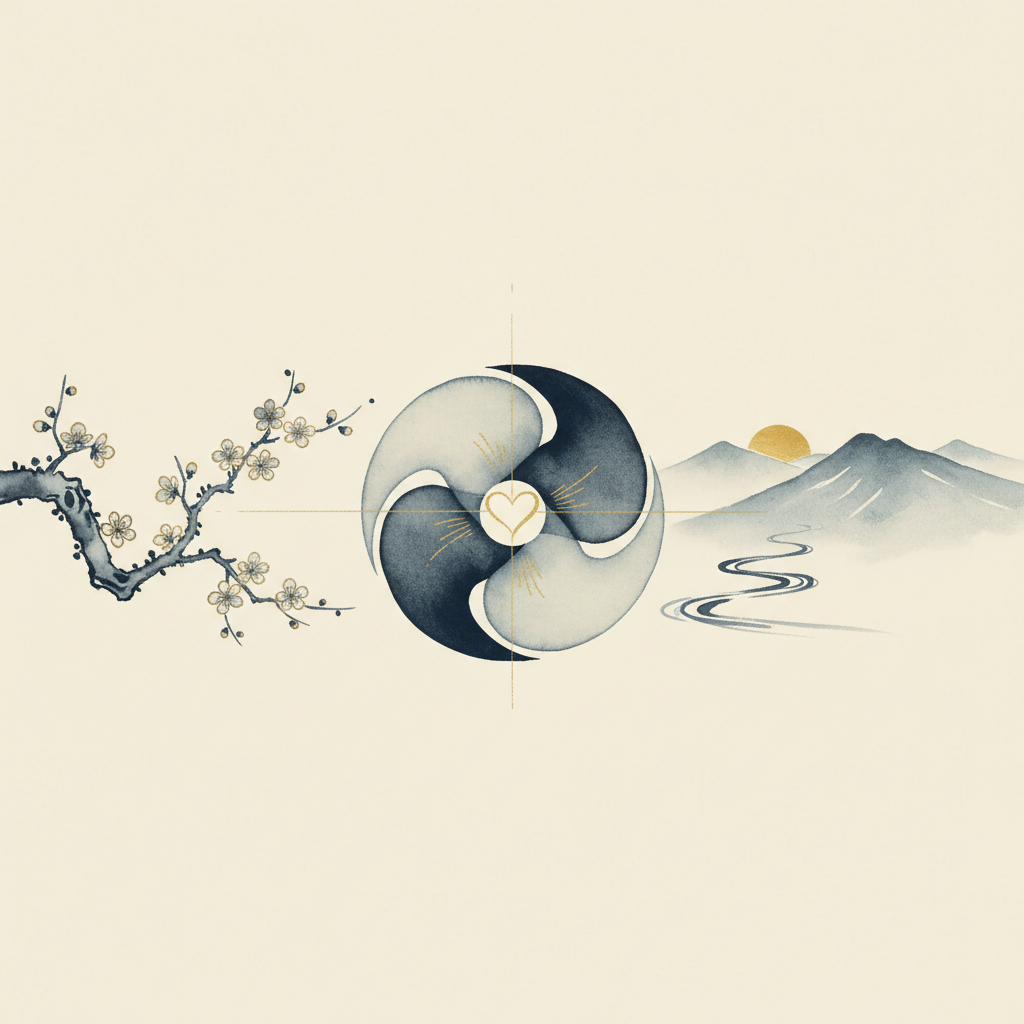
Ikigai, at its heart, is about finding joy and purpose in life. While the core concept remains the same, the Japanese understanding of Ikigai emphasizes harmony and contribution to society, whereas the Western interpretation often focuses more on individual achievement and passion.
Ready to unlock your Ikigai? Let's explore the nuances between the Japanese cultural roots and the modern Western adaptation of this powerful concept.
What is Ikigai? A Quick Definition
Ikigai (生き甲斐) is a Japanese concept that essentially translates to "a reason for being." It's the intersection of what you love, what you're good at, what the world needs, and what you can be paid for. Finding your Ikigai is considered a path to a long, happy, and fulfilling life.
"Ikigai is not just a goal to be achieved, but a journey to be savored."
Think of it as your personal sweet spot in life – the thing that makes you jump out of bed in the morning, excited to face the day.
The Japanese Understanding of Ikigai
In Japan, Ikigai is deeply ingrained in the culture. It's not necessarily tied to career or financial success. Instead, it's often found in the simple joys of life, like spending time with family, pursuing hobbies, or contributing to the community. It's a subtle, almost understated concept.
Key Characteristics of Japanese Ikigai:
- ●Harmony and Community: Emphasis is placed on contributing to the greater good and finding purpose within a collective. It is about serving others and finding your place in the social fabric.
- ●Small Joys: Ikigai can be found in everyday activities and simple pleasures, like enjoying a cup of tea or tending to a garden.
- ●Lifelong Pursuit: It's not something you find overnight; it's a journey of self-discovery that evolves over time. Ikigai is not a destination, but rather a continuous state of being.
- ●Acceptance of Imperfection: There's less pressure to be perfect or achieve extraordinary things. It’s about finding contentment in the present moment. "Wabi-sabi", the acceptance of transience and imperfection, is a core tenet.
The Importance of "Kaizen"
A related concept is "Kaizen" (改善), meaning continuous improvement. This applies directly to the pursuit of Ikigai. It's not about drastic changes, but rather small, incremental steps towards a better self and a more fulfilling life. Embrace small improvements every day, and you'll be well on your way to finding your Ikigai.
The Western Interpretation of Ikigai
The Western adaptation of Ikigai, popularized by the Ikigai Venn diagram, often focuses more on individual passion and career fulfillment. While the core elements remain (love, skill, need, compensation), the emphasis shifts toward personal achievement and finding a career that aligns with your passions.
Key Characteristics of Western Ikigai:
- ●Career-Focused: Often linked to finding a dream job or starting a successful business.
- ●Passion-Driven: Emphasis on aligning your work with your passions and interests.
- ●Achievement-Oriented: A focus on achieving goals and reaching your full potential.
- ●Individualistic: Prioritizes individual fulfillment and happiness.
The Ikigai Venn Diagram: A Visual Representation
The Ikigai Venn diagram, while helpful in understanding the different elements, can sometimes create unnecessary pressure. It can lead to the belief that you need to find the perfect intersection of all four elements to be happy, which isn't necessarily true. Don't get trapped by the perceived perfection of the diagram.
"The Western interpretation of Ikigai often overemphasizes career and passion, potentially leading to unnecessary pressure."
Japanese Ikigai vs. Western Ikigai: A Head-to-Head Comparison
Let's break down the key differences between these two perspectives:
| Feature | Japanese Ikigai | Western Ikigai |
|---|---|---|
| Focus | Harmony, community, small joys | Individual achievement, passion, career |
| Emphasis | Contribution, acceptance | Fulfillment, success |
| Timeframe | Lifelong journey, gradual process | Can be sought and achieved more quickly |
| Pressure | Lower, acceptance of imperfection | Higher, emphasis on finding the "perfect" fit |
| Source of Joy | Everyday activities, relationships | Career, personal accomplishments |
Pros and Cons of Each Approach
Japanese Ikigai: Pros
- ●Reduced Pressure: Less emphasis on career and financial success can lead to a more relaxed and fulfilling life.
- ●Greater Appreciation: Finding joy in small things can enhance your overall happiness.
- ●Stronger Community Bonds: Contributing to the community can create a sense of belonging and purpose.
Japanese Ikigai: Cons
- ●May Seem Unambitious: The focus on simple joys might be misinterpreted as a lack of drive or ambition.
- ●Difficult to Grasp: The subtle nature of Ikigai can make it challenging to define and pursue.
Western Ikigai: Pros
- ●Clearer Goals: The focus on career and passion provides a clear direction for self-improvement.
- ●Increased Motivation: Aligning your work with your passions can boost motivation and productivity.
- ●Greater Sense of Accomplishment: Achieving career goals can lead to a strong sense of accomplishment.
Western Ikigai: Cons
- ●Increased Pressure: The emphasis on finding the "perfect" career can lead to stress and anxiety.
- ●Potential for Burnout: Overworking in pursuit of passion can lead to burnout and exhaustion.
- ●Neglect of Other Areas: Focusing solely on career can lead to neglecting other important aspects of life, like relationships and hobbies.
Finding Your Own Ikigai: Practical Steps
Regardless of whether you lean towards the Japanese or Western interpretation, here are some practical steps to help you find your own Ikigai:
- ●Self-Reflection: Take time to reflect on your values, interests, and passions. What truly makes you happy? What are you good at? What does the world need?
- ●Experimentation: Try new things and explore different hobbies and activities. You never know what might spark your interest.
- ●Mindfulness: Practice mindfulness and pay attention to the present moment. Notice the small joys and appreciate the simple things in life. According to a Harvard study, practicing mindfulness can reduce stress and improve overall well-being.
- ●Contribution: Find ways to contribute to your community and make a positive impact on the world. This could involve volunteering, mentoring, or simply helping a neighbor.
- ●Embrace Imperfection: Don't strive for perfection. Accept your flaws and focus on continuous improvement. Remember the concept of "Kaizen."
- ●Connect with Others: Build strong relationships with family, friends, and colleagues. Social connection is essential for happiness and well-being.
"Your Ikigai is unique to you; embrace the journey of self-discovery and don't be afraid to adapt the concept to fit your own life."
Blending the Best of Both Worlds
Ultimately, the best approach is to blend the best aspects of both the Japanese and Western interpretations of Ikigai. Embrace the Japanese emphasis on harmony, community, and small joys, while also incorporating the Western focus on passion, achievement, and personal growth.
For example, you might find your Ikigai in a career that allows you to use your skills to help others (Western influence), while also finding joy in simple activities like gardening or spending time with family (Japanese influence). It's about creating a balanced and fulfilling life that aligns with your values and passions.
Next Steps on Your Ikigai Journey
Finding your Ikigai is a lifelong journey, not a destination. Be patient with yourself, embrace the process, and don't be afraid to experiment. Start small, focus on continuous improvement, and remember to appreciate the simple joys along the way. Your Ikigai awaits – go find it!
Frequently Asked Questions
What if I can't find my Ikigai right away?
That's perfectly normal! Finding your Ikigai takes time and self-reflection. Don't put too much pressure on yourself. Focus on exploring your interests, trying new things, and paying attention to what brings you joy. Your Ikigai will reveal itself in time.
Is Ikigai only about career?
No, absolutely not! While the Western interpretation often focuses on career, the Japanese understanding of Ikigai encompasses all aspects of life, including relationships, hobbies, and community involvement. Your Ikigai can be found in any activity that brings you joy and purpose.
Can my Ikigai change over time?
Yes, definitely! As you grow and evolve, your interests and passions may change. Your Ikigai is not set in stone; it's a dynamic concept that adapts to your life circumstances. Be open to new possibilities and don't be afraid to redefine your Ikigai as you journey through life.
How is Ikigai different from purpose?
While the terms are often used interchangeably, Ikigai is more holistic. Purpose often focuses on a specific goal or mission, while Ikigai encompasses all aspects of life that bring you joy and fulfillment. Ikigai is your reason for being; it's a broader concept than just your purpose.
Is Ikigai a secret to a long life?
While Ikigai isn't a guaranteed path to longevity, studies show a strong correlation between having a sense of purpose and living a longer, healthier life. In Okinawa, Japan, one of the world's Blue Zones (regions where people live exceptionally long lives), Ikigai is deeply ingrained in the culture, and residents often attribute their longevity to having a strong sense of purpose and community.
Join Our Community
Connect with thousands of purpose-seekers on their Ikigai journey. Get exclusive insights, weekly prompts, and support from like-minded individuals.
Written by V.S.
Founder of FindYourIkigai.co. I help people discover their reason for being through the ancient Japanese philosophy of Ikigai, blended with modern psychology and practical wisdom.
Learn more about me →Continue Reading
Ikigai in Action: How a Community Garden Cultivated Purpose
Discover how a community garden became a source of ikigai for its members. Learn how shared purpose, connection, and contribution can unlock your own reason for being.
Why You Haven't Found Your Ikigai Yet (And What to Do About It)
Discover your "reason for being" with this guide on finding your Ikigai - the sweet spot where your passions, talents, the world's needs, and financial viability intersect. Unlock a more purposeful, fulfilling life.
What Is Ikigai? The Japanese Secret to a Purposeful Life
Discover the Japanese concept of ikigai - the intersection of what you love, what you're good at, what the world needs, and what you can get paid for. Learn how embracing ikigai can help you find meaning, direction, and fulfillment in your life.