Finding Ikigai in Imperfection: A Wabi-Sabi Case Study
Explore how embracing wabi-sabi, the Japanese art of imperfection, can unlock your Ikigai. Discover practical examples and actionable steps to find purpose in the beauty of transience.
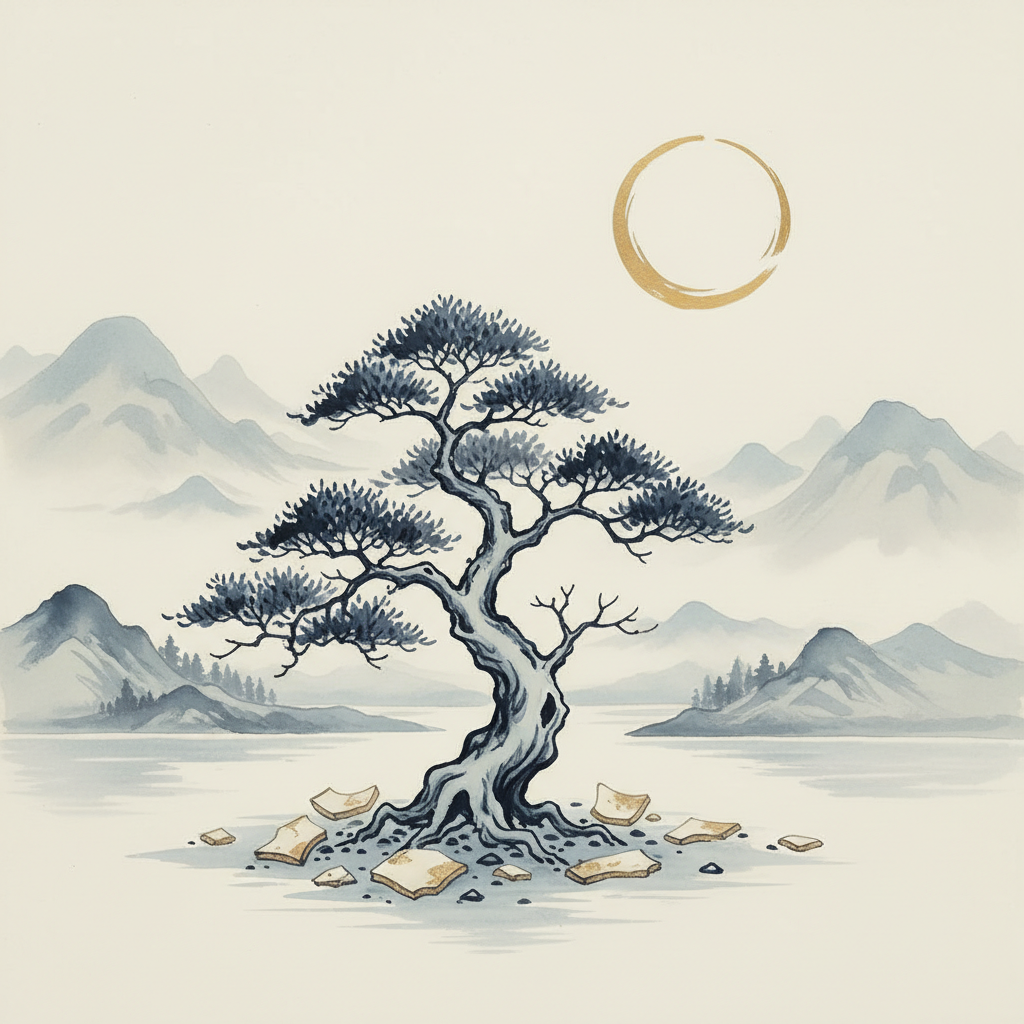
Do you feel pressured to be perfect? What if embracing imperfection could actually fuel your sense of purpose? This is where the Japanese philosophy of wabi-sabi meets Ikigai. In this case study, we'll explore how a real person used wabi-sabi principles to rediscover their Ikigai, and how you can apply these lessons in your own life.
The Harmony of Ikigai and Wabi-Sabi
Ikigai, often translated as "a reason for being," is the intersection of what you love, what you're good at, what the world needs, and what you can be paid for. Wabi-sabi, on the other hand, is the Japanese aesthetic that finds beauty in imperfection, impermanence, and simplicity. "Wabi-sabi is an intuitive aesthetic sensibility that finds beauty in transience, imperfection, and simplicity."
Together, they create a powerful framework for a fulfilling life. When you release the pressure to be flawless and embrace the beauty of the present moment, you open yourself to new possibilities and a deeper sense of purpose.
Understanding Wabi-Sabi
Before we dive into the case study, let's clarify what wabi-sabi truly means. It's more than just accepting flaws; it's about appreciating them. It's about recognizing that everything is in a constant state of change, and finding beauty in that process.
- ●Wabi: Represents simplicity, humility, and living in harmony with nature.
- ●Sabi: Represents the beauty of age, wear, and the patina of time.
Think of a cracked ceramic bowl, carefully repaired with gold (kintsugi). The cracks aren't hidden; they're highlighted, becoming part of the bowl's unique history and beauty. This is the essence of wabi-sabi.
Introducing the Case Study: Sarah's Journey
Our case study focuses on Sarah, a 40-year-old marketing professional who felt lost and unfulfilled. She had a successful career, but she felt like something was missing. She was constantly striving for perfection, both at work and in her personal life, which led to burnout and a lack of joy.
Sarah felt the need to find her Ikigai, but the pressure she was putting on herself was preventing her from doing so. She felt that she had to achieve perfection before she could find her true calling. This is a common struggle, as many of us equate success with flawlessness.
The Challenge: Perfectionism and the Ikigai Block
Sarah's main challenge was her ingrained perfectionism. She believed that everything she did had to be perfect, or it wasn't worth doing. This mindset created several obstacles:
- ●Fear of Failure: She was afraid to try new things because she might not succeed immediately.
- ●Procrastination: She often put off tasks because she was overwhelmed by the pressure to do them perfectly.
- ●Lack of Self-Compassion: She was highly critical of herself and struggled to accept her flaws.
These obstacles prevented her from exploring her passions and discovering her Ikigai. She was stuck in a cycle of self-doubt and inaction, feeling increasingly disconnected from her true self.
"Perfectionism is the enemy of progress and the thief of joy." - Theodore Roosevelt
The Wabi-Sabi Approach: Embracing Imperfection
Sarah began exploring the philosophy of wabi-sabi through a mindfulness workshop. Initially, she was skeptical. How could imperfection lead to fulfillment? But as she learned more, she began to see the potential.
Here's how Sarah integrated wabi-sabi principles into her life:
- ●Mindful Acceptance: She started practicing mindfulness to become more aware of her thoughts and feelings. When she noticed herself striving for perfection, she gently reminded herself that it was okay to make mistakes.
- ●Focus on the Process: Instead of fixating on the outcome, she shifted her focus to the process itself. She began to enjoy the act of creating, learning, and growing, regardless of the end result.
- ●Embrace Imperfect Action: She challenged herself to take action, even when she didn't feel fully prepared. She started small, experimenting with new hobbies and projects without the expectation of immediate success.
- ●Find Beauty in the Ordinary: She started paying attention to the small, simple things in life that she had previously overlooked – the way the sunlight streamed through her window, the sound of birds singing, the taste of her morning coffee.
- ●Practice Self-Compassion: She learned to be kinder and more forgiving towards herself. She acknowledged her flaws and imperfections without judgment, recognizing that they were part of what made her human.
Wabi-Sabi in Action: Sarah's Pottery Experiment
One concrete example of Sarah's wabi-sabi journey was her decision to take a pottery class. She had always admired handmade ceramics, but she had been too afraid to try it herself, fearing that her creations wouldn't be "good enough."
In the class, she allowed herself to experiment without pressure. Her first attempts were far from perfect – lopsided bowls, uneven surfaces, and wobbly handles. But instead of getting discouraged, she embraced the imperfections. She saw the beauty in the unique character of each piece, recognizing that the flaws told a story of the process.
She even started using the "imperfect" bowls at home, appreciating their rustic charm. This experience taught her that beauty can be found in the unexpected, and that imperfections can add character and depth.
The Results: A Rediscovered Ikigai
The integration of wabi-sabi had a profound impact on Sarah's life. As she released the pressure to be perfect, she experienced:
- ●Increased Creativity: She felt more free to experiment and explore new ideas without fear of judgment.
- ●Greater Joy: She found more joy in the simple things in life and appreciated the present moment.
- ●Reduced Stress: She felt less stressed and overwhelmed, as she was no longer constantly striving for an unattainable ideal.
- ●A Deeper Sense of Purpose: Most importantly, she began to connect with her Ikigai. By embracing her imperfections, she discovered that her true passion lay in helping others embrace theirs. She started a blog and began sharing her journey with others, offering support and encouragement to those struggling with perfectionism.
Sarah realized that her Ikigai wasn't about achieving some grand, external goal, but about living authentically and helping others do the same. She found purpose in her imperfections, and in sharing her journey with the world.
"Embrace your imperfections; they are what make you unique and beautiful."
Lessons for Finding Your Ikigai Through Wabi-Sabi
Sarah's story offers valuable lessons for anyone seeking to find their Ikigai:
- ●Challenge Your Perfectionism: Identify the areas in your life where you're holding yourself to unrealistic standards. Ask yourself: What would happen if I let go of the need to be perfect?
- ●Practice Mindfulness: Cultivate awareness of your thoughts and feelings. Notice when you're being self-critical or striving for perfection, and gently redirect your focus to the present moment.
- ●Embrace Imperfect Action: Don't wait until you feel fully prepared to take action. Start small, experiment, and learn from your mistakes.
- ●Find Beauty in the Ordinary: Pay attention to the small, simple things in life that bring you joy. Appreciate the beauty of the present moment.
- ●Practice Self-Compassion: Be kind and forgiving towards yourself. Acknowledge your flaws and imperfections without judgment.
- ●Connect with Nature: Spend time in nature, observing the beauty of the natural world. Notice the imperfections – the gnarled branches of a tree, the uneven surface of a rock – and appreciate their unique character.
By embracing wabi-sabi, you can release the pressure to be perfect and open yourself to new possibilities. You can find joy in the simple things, appreciate the present moment, and connect with your true self. And in doing so, you can unlock your Ikigai and live a more fulfilling life.
Now, it's your turn. What small step can you take today to embrace imperfection and move closer to your Ikigai? Start with just one thing – a messy art project, a vulnerable conversation, a walk in the woods. You might be surprised at what you discover.
Frequently Asked Questions
What is the difference between Ikigai and purpose?
Ikigai is often translated as "a reason for being," encompassing what you love, what you're good at, what the world needs, and what you can be paid for. Purpose, while similar, can sometimes be more broadly defined. Ikigai emphasizes a balanced integration of these four elements for a fulfilling life.
How can I identify my Ikigai if I feel lost or unfulfilled?
Start by exploring your passions, skills, values, and needs. Experiment with different activities, reflect on what brings you joy and flow, and seek feedback from trusted friends or mentors. Don't be afraid to try new things and embrace the process of discovery.
Is wabi-sabi just about accepting mediocrity?
No, wabi-sabi is not about accepting mediocrity. It's about recognizing and appreciating the inherent beauty in imperfection, simplicity, and impermanence. It encourages us to let go of unrealistic expectations and find joy in the present moment, allowing for growth and progress without the pressure of flawlessness.
Can wabi-sabi be applied to my career?
Absolutely! Embracing wabi-sabi in your career can help you overcome perfectionism, take risks, and learn from your mistakes. It can also foster creativity, collaboration, and a greater appreciation for the process of work, leading to increased job satisfaction and a stronger sense of purpose.
How does mindfulness relate to wabi-sabi?
Mindfulness is a key component of wabi-sabi. By practicing mindfulness, we become more aware of our thoughts, feelings, and surroundings, allowing us to appreciate the beauty of the present moment and accept things as they are, imperfections and all. Mindfulness helps us cultivate a sense of inner peace and contentment, regardless of external circumstances.
Join Our Community
Connect with thousands of purpose-seekers on their Ikigai journey. Get exclusive insights, weekly prompts, and support from like-minded individuals.
Written by V.S.
Founder of FindYourIkigai.co. I help people discover their reason for being through the ancient Japanese philosophy of Ikigai, blended with modern psychology and practical wisdom.
Learn more about me →Continue Reading
Ikigai in Action: How a Community Garden Cultivated Purpose
Discover how a community garden became a source of ikigai for its members. Learn how shared purpose, connection, and contribution can unlock your own reason for being.
Why You Haven't Found Your Ikigai Yet (And What to Do About It)
Discover your "reason for being" with this guide on finding your Ikigai - the sweet spot where your passions, talents, the world's needs, and financial viability intersect. Unlock a more purposeful, fulfilling life.
What Is Ikigai? The Japanese Secret to a Purposeful Life
Discover the Japanese concept of ikigai - the intersection of what you love, what you're good at, what the world needs, and what you can get paid for. Learn how embracing ikigai can help you find meaning, direction, and fulfillment in your life.