Unlocking Ikigai: Expert Insights on Meditation for Purpose
Discover how meditation practices can clarify your Ikigai (purpose in life). Expert insights and actionable steps for finding your reason for being.
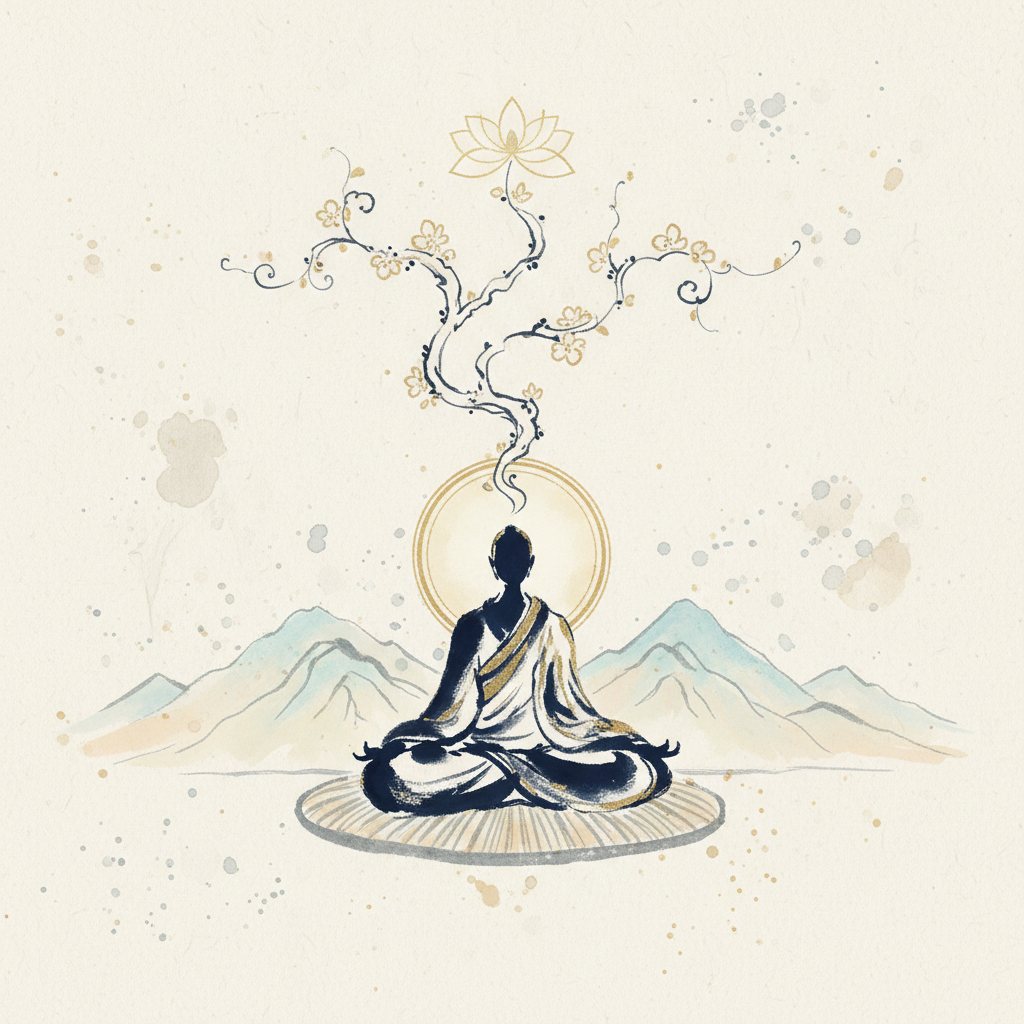
Do you ever feel lost, unsure of your direction? Meditation can be a powerful tool to cut through the noise and illuminate your Ikigai, your reason for being. I had the distinct pleasure of interviewing renowned mindfulness teacher, Sarah Chen, on precisely this topic. Sarah has guided countless individuals toward a more purposeful life through the practice of meditation and I'm excited to share her insights with you.
Meet Sarah Chen: Guiding Light to Purpose
Sarah Chen isn't just another meditation teacher; she's a seasoned guide with over 20 years of experience. Her unique approach blends ancient wisdom with modern techniques, making meditation accessible and practical for everyone. She's the author of "Mindful Living, Purposeful Life" and regularly leads workshops and retreats around the world. Sarah's impact is undeniable. "Meditation isn't about emptying the mind," she explains. "It's about creating space to see clearly."
I wanted to interview Sarah because her work aligns perfectly with the core principles of Ikigai. Ikigai, a Japanese concept, is often translated as "reason for being." It's the intersection of what you love, what you're good at, what the world needs, and what you can be paid for. Sarah's meditation techniques help you uncover these elements within yourself.
Key Insights from Sarah Chen on Meditation and Ikigai
During our conversation, Sarah shared several profound insights that can help you use meditation to find your Ikigai:
1. Meditation as a Tool for Self-Discovery
Sarah emphasized that meditation isn't just about relaxation; it's a powerful tool for self-discovery. By quieting the mental chatter, you can access deeper levels of awareness and gain clarity about your values, passions, and talents.
"Think of your mind as a lake," she said. "When the surface is choppy, it's hard to see what's beneath. Meditation stills the water, allowing you to see the treasures that lie within."
She recommends starting with just 5-10 minutes of daily meditation and gradually increasing the duration as you become more comfortable. Experiment with different techniques, such as mindfulness meditation, loving-kindness meditation, or walking meditation, to find what resonates with you.
2. Connecting with Your Values Through Meditation
One of the most valuable applications of meditation is connecting with your core values. Your values are the principles that guide your decisions and actions. When you live in alignment with your values, you feel a sense of purpose and fulfillment.
Sarah suggests a guided meditation exercise where you reflect on your values. Close your eyes, take a few deep breaths, and ask yourself: "What is truly important to me? What do I stand for? What kind of impact do I want to make in the world?" Pay attention to the thoughts, feelings, and images that arise during the meditation. These can provide valuable clues about your values.
3. Identifying Your Passions and Talents
Your passions and talents are key ingredients of your Ikigai. Meditation can help you uncover these by creating space for intuition and creativity to flourish.
"When you're constantly busy and distracted, it's hard to hear the whispers of your heart," Sarah explained. "Meditation creates the silence you need to listen to your inner voice and discover what truly excites you."
She recommends using visualization techniques to explore your passions and talents. Imagine yourself doing something you love and are naturally good at. Notice how it makes you feel. Does it energize you? Does it bring you joy? These are signs that you're on the right track.
4. Aligning with the Needs of the World
Your Ikigai also involves contributing to something larger than yourself. Meditation can help you connect with the needs of the world and identify ways to use your talents and passions to make a positive impact.
Sarah suggests practicing compassion meditation, where you focus on sending loving-kindness to yourself, your loved ones, and all beings. This practice can help you develop a greater sense of empathy and connect with the suffering and needs of others. By aligning your actions with the needs of the world, you can create a more meaningful and fulfilling life.
5. Finding Your Flow State Through Meditation
The concept of "flow state," a state of deep absorption and enjoyment in an activity, is closely related to Ikigai. Meditation can help you access flow state more easily by quieting the inner critic and allowing you to fully immerse yourself in the present moment.
"When you're in flow, you're not thinking about the past or worrying about the future," Sarah said. "You're simply present, engaged, and fully alive."
She recommends practicing mindfulness meditation during activities you enjoy. Pay attention to the sensations, thoughts, and emotions that arise as you engage in the activity. Let go of judgment and simply allow yourself to be present in the moment. This can help you cultivate a deeper sense of flow and enjoyment in your life.
Analyzing Sarah Chen's Perspective
Sarah Chen's perspective on meditation and Ikigai is both insightful and practical. She emphasizes the importance of self-awareness, compassion, and alignment with your values. Her approach is grounded in the principles of mindfulness and emphasizes the power of presence.
One of the strengths of Sarah's perspective is its accessibility. She doesn't present meditation as a mystical or esoteric practice. Instead, she offers concrete techniques and exercises that anyone can use to cultivate greater self-awareness and clarity. Her emphasis on connecting with your values, passions, and the needs of the world aligns perfectly with the core principles of Ikigai.
According to a study by the National Institutes of Health, mindfulness meditation can reduce stress and improve mental clarity. Sarah Chen's teachings provide a pathway to harness these benefits for the purpose of self-discovery and Ikigai.
Actionable Conclusions: Steps to Meditate for Purpose
Ready to use meditation to find your Ikigai? Here are some actionable steps you can take:
- ●Start with a short meditation practice: Begin with just 5-10 minutes of daily meditation. Use guided meditations or simply focus on your breath.
- ●Explore different meditation techniques: Experiment with mindfulness meditation, loving-kindness meditation, walking meditation, and visualization techniques.
- ●Reflect on your values: Use guided meditation exercises to connect with your core values. Ask yourself what is truly important to you and what you stand for.
- ●Identify your passions and talents: Use visualization techniques to explore your passions and talents. Imagine yourself doing something you love and are naturally good at.
- ●Connect with the needs of the world: Practice compassion meditation to develop a greater sense of empathy and connect with the suffering and needs of others.
- ●Cultivate flow state: Practice mindfulness meditation during activities you enjoy to cultivate a deeper sense of flow and enjoyment.
- ●Journal your insights: After each meditation session, write down any insights or revelations you had. This will help you track your progress and gain a deeper understanding of yourself.
"The journey to finding your Ikigai is a lifelong process," Sarah reminds us. "Be patient with yourself, trust your intuition, and enjoy the ride."
Embrace the Journey
Finding your Ikigai through meditation is not a destination but an ongoing journey of self-discovery and growth. By incorporating meditation into your daily life, you can cultivate greater self-awareness, clarity, and purpose. Remember Sarah Chen's wisdom, embrace the process, and trust that you have the inner resources to create a meaningful and fulfilling life. Now go forth and meditate!
Frequently Asked Questions
What if I can't quiet my mind during meditation?
It's normal for your mind to wander during meditation. The goal isn't to empty your mind, but to gently redirect your attention back to your breath or chosen focus each time you notice your mind wandering. With practice, you'll find it easier to stay present.
How long should I meditate to see results?
Even short meditation sessions can be beneficial. Aim for at least 5-10 minutes daily to start. Consistency is more important than duration. Over time, you can gradually increase the length of your sessions as you become more comfortable.
What type of meditation is best for finding my Ikigai?
There's no one-size-fits-all answer. Experiment with different techniques, such as mindfulness meditation, loving-kindness meditation, and visualization, to see what resonates with you. Guided meditations focused on values, passions, and purpose can also be helpful.
Can meditation really help me find my purpose?
Meditation can be a powerful tool for self-discovery and can help you connect with your values, passions, and talents. By quieting the mental chatter, you create space to access deeper levels of awareness and gain clarity about your purpose. According to UCLA's Mindful Awareness Research Center, consistent meditation practice can lead to a greater sense of meaning and purpose in life.
What if I feel frustrated or discouraged during meditation?
It's normal to experience challenges during meditation. Be patient with yourself and remember that progress takes time. If you feel frustrated, take a break and come back to it later. You can also try a different meditation technique or seek guidance from a qualified teacher.
Join Our Community
Connect with thousands of purpose-seekers on their Ikigai journey. Get exclusive insights, weekly prompts, and support from like-minded individuals.
Written by V.S.
Founder of FindYourIkigai.co. I help people discover their reason for being through the ancient Japanese philosophy of Ikigai, blended with modern psychology and practical wisdom.
Learn more about me →Continue Reading
Ikigai in Action: How a Community Garden Cultivated Purpose
Discover how a community garden became a source of ikigai for its members. Learn how shared purpose, connection, and contribution can unlock your own reason for being.
Why You Haven't Found Your Ikigai Yet (And What to Do About It)
Discover your "reason for being" with this guide on finding your Ikigai - the sweet spot where your passions, talents, the world's needs, and financial viability intersect. Unlock a more purposeful, fulfilling life.
What Is Ikigai? The Japanese Secret to a Purposeful Life
Discover the Japanese concept of ikigai - the intersection of what you love, what you're good at, what the world needs, and what you can get paid for. Learn how embracing ikigai can help you find meaning, direction, and fulfillment in your life.