The 10 Rules of Ikigai from the Book (Summary & Insights)
Discover the 10 key principles for living an ikigai-centered life. Learn how to find your purpose, achieve fulfillment, and live a longer, happier life through the Japanese concept of ikigai.
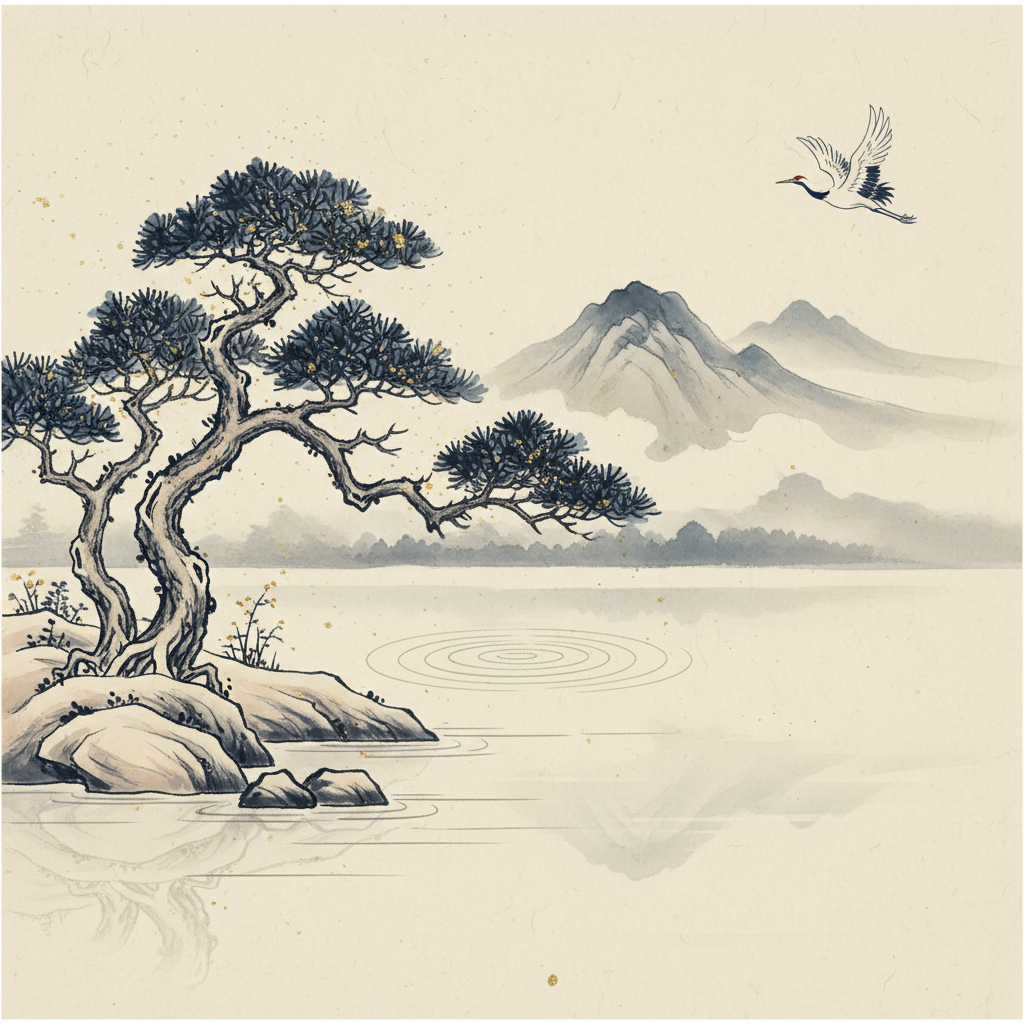
The 10 Principles of Ikigai: Insights from the Book
Introduction
Ikigai, the Japanese concept of finding purpose and meaning in life, has gained global attention in recent years. The book "Ikigai: The Japanese Secret to a Long and Happy Life" by Héctor García and Francesc Miralles has become a popular resource for those seeking to unlock the secrets to a fulfilling existence.
The 10 Principles of Ikigai
1. Stay Active and Don't Retire
"The secret of long life is to keep your mind and body active." - Okinawan Proverb
Retirement is not a concept embraced in Okinawan culture. Instead, the focus is on maintaining an active lifestyle and finding purpose in one's daily activities, no matter the age.
2. Take It Slow
"Slow down and enjoy the journey." - Ikigai Principle
In a world that often values speed and efficiency, the Ikigai philosophy encourages a more mindful and deliberate approach to life. By slowing down, we can savor the present moment and find joy in the simple things.
3. Don't Fill Your Schedule
"The key is to have a routine, but not to be a slave to it." - Ikigai Principle
Maintaining a balanced schedule that allows for spontaneity and leisure time is essential for cultivating Ikigai. Avoid the temptation to overcommit and instead prioritize activities that truly energize and fulfill you.
4. Connect with Others
"Loneliness is the great disease of the modern age." - Ikigai Principle
Strong social connections and a sense of community are integral to the Ikigai lifestyle. Prioritize spending time with loved ones, engaging in group activities, and fostering meaningful relationships.
5. Live in the Moment
"The secret of health for both mind and body is not to mourn for the past, nor to worry about the future, but to live the present moment wisely and earnestly." - Buddha
By fully embracing the present moment, we can find contentment and appreciation for the small joys that often go unnoticed. Practice mindfulness and gratitude to cultivate this Ikigai principle.
Key Takeaways
- ●Maintain an active and engaged lifestyle, even in retirement.
- ●Slow down and savor the journey, rather than rushing through life.
- ●Prioritize a balanced schedule that allows for spontaneity and leisure.
- ●Nurture strong social connections and a sense of community.
- ●Live in the present moment with mindfulness and gratitude.
Conclusion
The principles of Ikigai offer a holistic approach to living a long, happy, and fulfilling life. By incorporating these insights into our daily lives, we can unlock the secrets to finding our own personal Ikigai and cultivating a deep sense of purpose and well-being.
Frequently Asked Questions
What are the 10 rules of Ikigai?
The 10 rules of Ikigai, as outlined in "Ikigai: The Japanese Secret to a Long and Happy Life," include staying active, taking it slow, not filling your schedule, connecting with others, and nurturing friendships. Other rules include adopting a positive attitude, living in the present, appreciating the small things, finding your flow, and following your Ikigai. These principles aim to guide individuals toward a fulfilling and purposeful life.
What is the main point of Ikigai?
The main point of Ikigai is to discover and pursue your reason for being, or your purpose in life. It's about finding joy and meaning in your daily activities, leading to a longer, happier, and more fulfilling existence by aligning your passions, skills, values, and what the world needs.
How do you find your Ikigai?
Finding your Ikigai involves self-reflection and exploration of your passions, talents, what you're good at, and what the world needs. It requires identifying activities that bring you joy and a sense of purpose, and then aligning those activities with a way to contribute to something larger than yourself.
Is Ikigai just about work?
No, Ikigai is not solely about work. While work can certainly be a component of your Ikigai, it encompasses a broader range of activities and aspects of life, including hobbies, relationships, and contributions to the community; it's about finding purpose in all areas of your life, not just your career.
What does it mean to "stay active and don't retire" in Ikigai?
"Stay active and don't retire" means maintaining an engaged and purposeful lifestyle regardless of age. It emphasizes the importance of continuing to participate in activities that provide meaning and stimulation, rather than completely disengaging from life after reaching a certain age or traditional retirement.
Join Our Community
Connect with thousands of purpose-seekers on their Ikigai journey. Get exclusive insights, weekly prompts, and support from like-minded individuals.
Written by V.S.
Founder of FindYourIkigai.co. I help people discover their reason for being through the ancient Japanese philosophy of Ikigai, blended with modern psychology and practical wisdom.
Learn more about me →Continue Reading
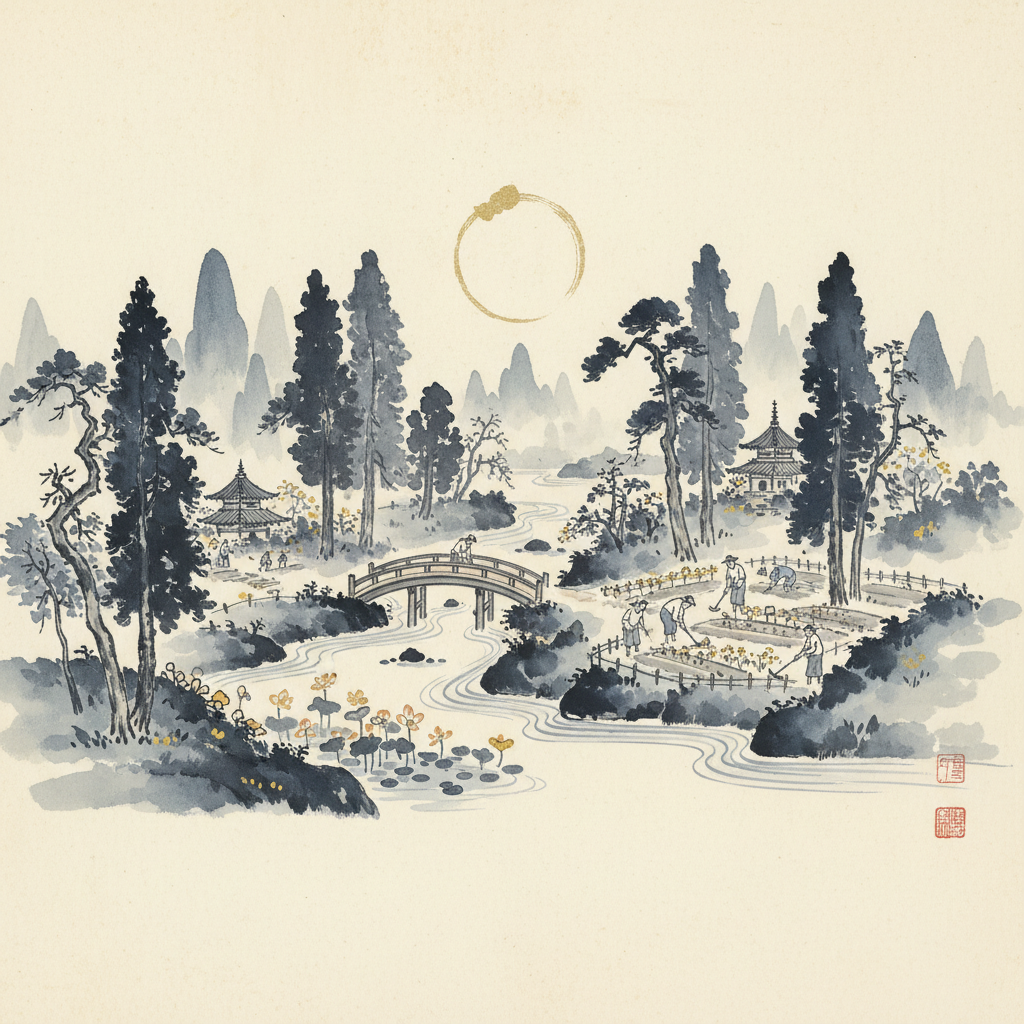
Ikigai in Action: How a Community Garden Cultivated Purpose
Discover how a community garden became a source of ikigai for its members. Learn how shared purpose, connection, and contribution can unlock your own reason for being.
Why You Haven't Found Your Ikigai Yet (And What to Do About It)
Discover your "reason for being" with this guide on finding your Ikigai - the sweet spot where your passions, talents, the world's needs, and financial viability intersect. Unlock a more purposeful, fulfilling life.
What Is Ikigai? The Japanese Secret to a Purposeful Life
Discover the Japanese concept of ikigai - the intersection of what you love, what you're good at, what the world needs, and what you can get paid for. Learn how embracing ikigai can help you find meaning, direction, and fulfillment in your life.